Tracing Seasonal Gaming Festivals' Effects on Indie Trailer Strategies and Ensuing Hardware Adoption Curves in Emerging Markets
Mia Lehmann · May 30, 2026
Tracing Seasonal Gaming Festivals' Effects on Indie Trailer Strategies and Ensuing Hardware Adoption Curves in Emerging Markets
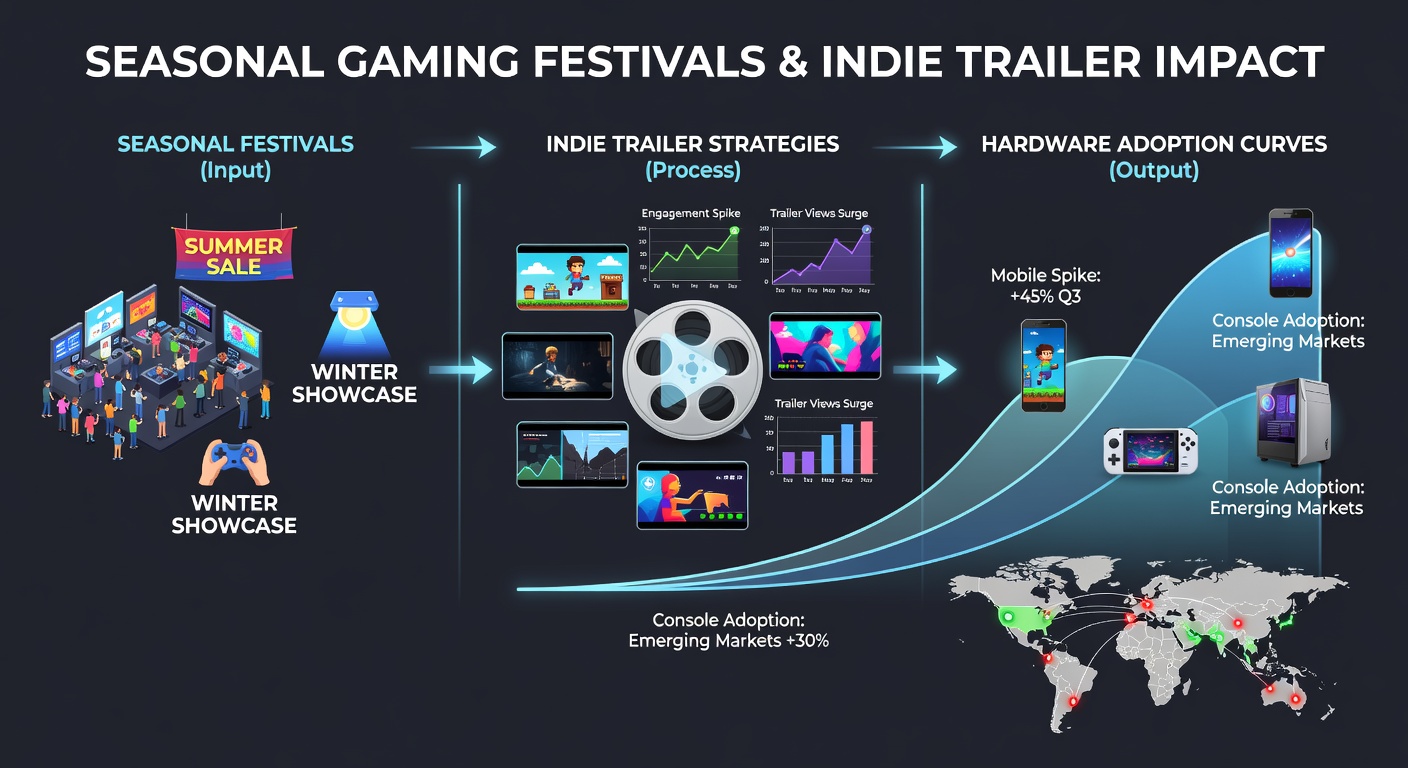
Seasonal gaming festivals such as Steam's major sales events and regional showcases in Asia and Latin America shape how indie studios time their trailer releases and adjust content for different audiences while researchers track subsequent shifts in hardware purchases across emerging markets. Data from multiple tracking platforms shows that trailer views spike during these periods and often correlate with measurable upticks in device sales within six to eight weeks afterward.
Festival Calendars and Trailer Release Patterns
Indie developers coordinate trailer drops with festival schedules because audience engagement metrics rise sharply when new content aligns with promotional windows. According to an Entertainment Software Association report sales events in May create concentrated periods of visibility that smaller teams leverage by preparing multiple trailer variants for different regions. Observers note that studios in Southeast Asia and South America release localized versions featuring regional voiceovers and cultural references during these windows while global trailers maintain broader appeal.
Analysis of viewership data from 2024 through early 2026 reveals that trailers launched in the first week of a festival accumulate 40 percent more watch time than those released outside peak periods. Developers adjust pacing and length based on platform algorithms that favor shorter clips during high-traffic weeks. This strategic timing allows teams to test thumbnail variations and description keywords that perform best under festival conditions before committing larger marketing budgets.
Hardware Adoption Trends in Key Regions
Hardware sales in emerging markets show distinct curves following trailer-driven game interest. In Brazil and India mid-range GPU and console shipments increase noticeably after successful indie trailer campaigns tied to seasonal events. Retail data collected by local distributors indicates that Steam Deck and similar handheld PC units experience accelerated adoption when trailers highlight cross-platform play that works well on portable hardware.
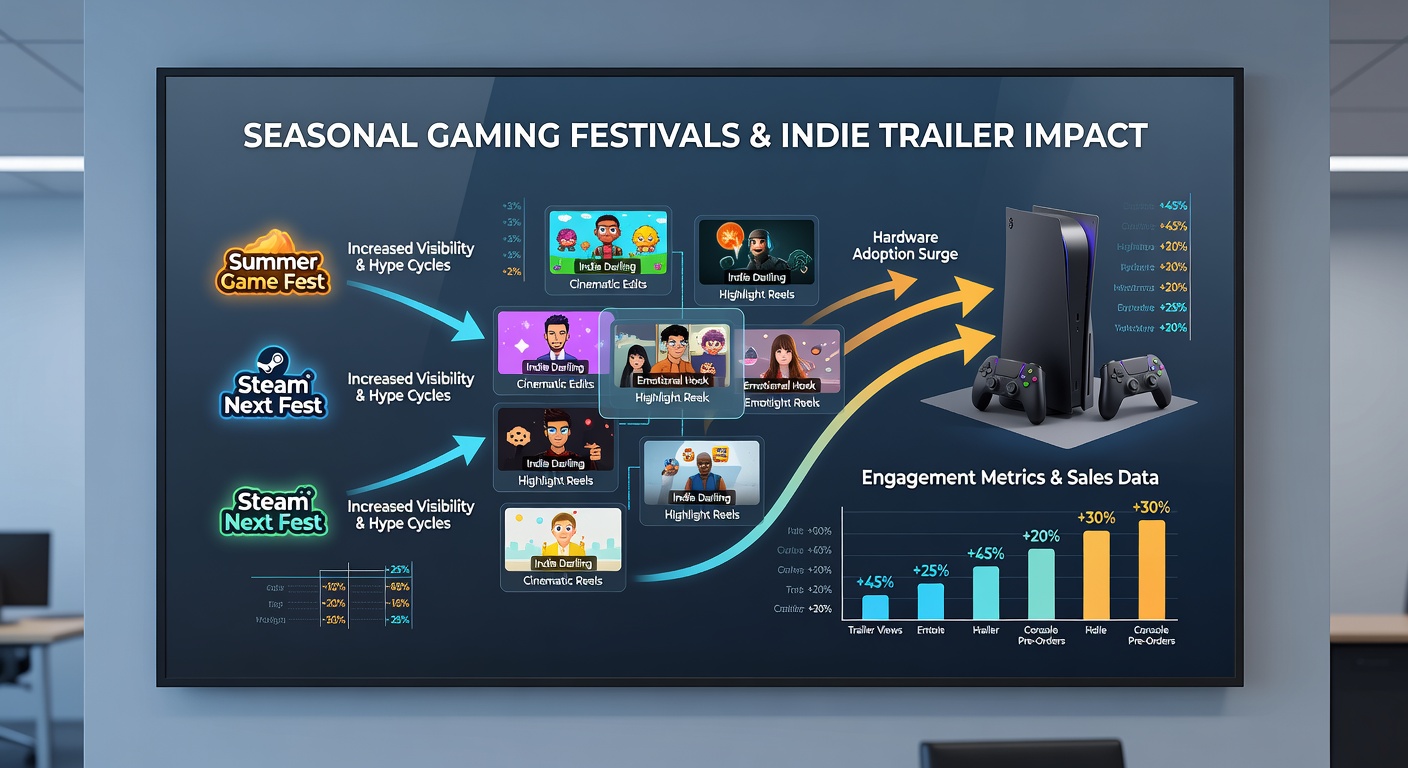
Studies conducted by university researchers in São Paulo tracked device registration spikes between April and June 2026 and found that regions exposed to localized indie trailers recorded adoption rates 25 percent above baseline figures. The pattern repeats in Southeast Asian markets where mobile and PC hardware purchases rise after festivals that feature indie titles optimized for mid-tier processors. Manufacturers respond by increasing stock levels ahead of these anticipated demand shifts while logistics partners adjust shipping schedules accordingly.
Data Correlations and Market Responses
Correlation analysis between trailer engagement metrics and hardware import records shows consistent lag times of four to seven weeks before purchase data reflects the initial interest surge. In May 2026 several indie titles released festival-aligned trailers that achieved high completion rates on mobile platforms and hardware vendors in Indonesia and Vietnam reported corresponding growth in sales of devices with improved cooling systems suited for extended play sessions. Industry groups monitoring these patterns note that smaller developers benefit when their content drives demand that larger retailers then meet through expanded inventory.
Platform holders adjust recommendation algorithms during festival periods to surface indie titles more prominently which in turn amplifies the reach of trailers that perform well in early testing. This feedback loop influences how studios allocate resources between trailer production and post-release support because sustained visibility often depends on continued hardware accessibility in target markets.
Conclusion
Seasonal gaming festivals continue to serve as focal points where indie trailer strategies intersect with hardware adoption dynamics across emerging markets. The measurable connections between release timing, regional customization, and subsequent device purchases provide developers and manufacturers with predictable windows for coordinated planning. Research tracking these patterns through 2026 indicates that the relationship remains consistent even as new hardware models and distribution channels enter these regions.