Shifts in Esports Coverage Patterns Following Major PC Gaming Hardware Announcements and Their Reach into Mobile Communities
Alex Simmons · May 18, 2026
Shifts in Esports Coverage Patterns Following Major PC Gaming Hardware Announcements and Their Reach into Mobile Communities
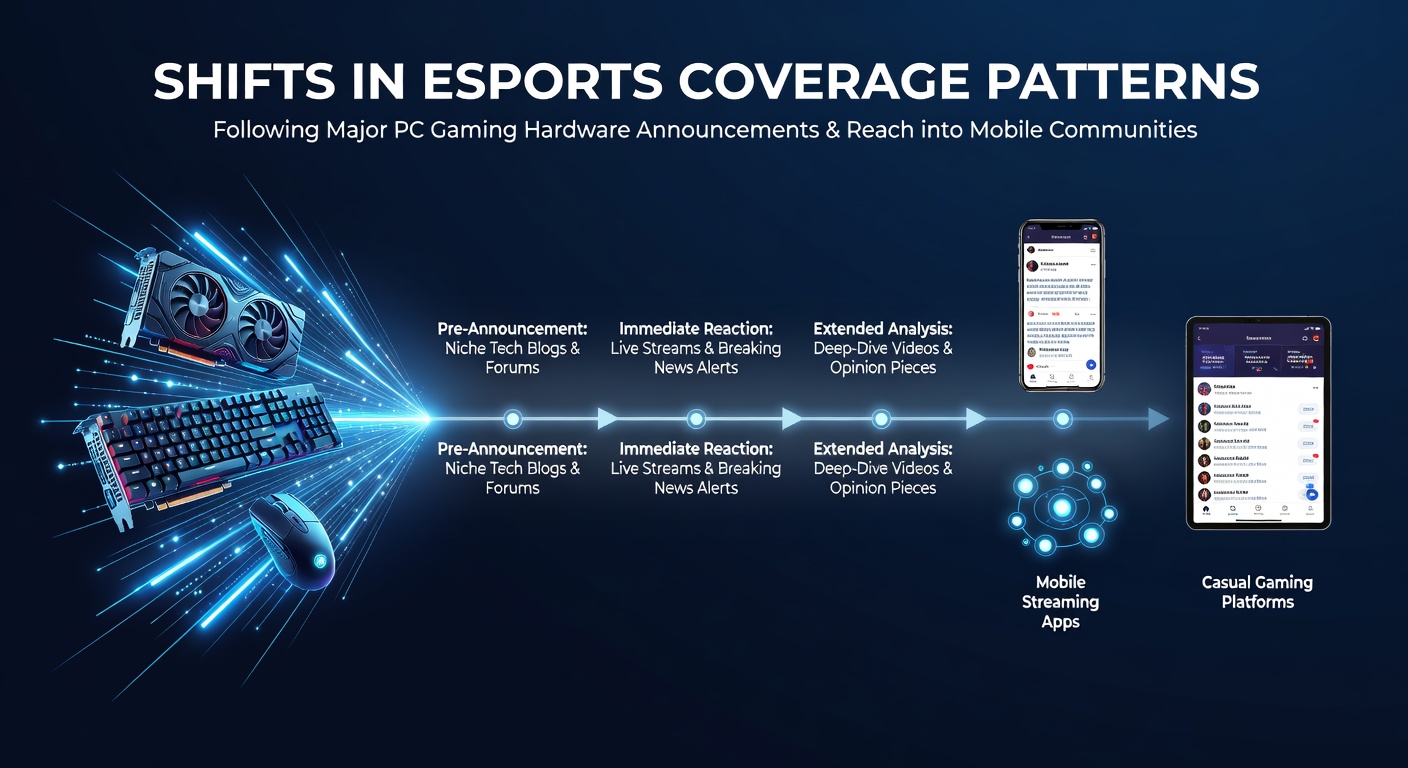
Media outlets tracking competitive gaming have adjusted their reporting rhythms whenever flagship PC components hit the market, and patterns emerging in early 2026 show those adjustments extending further into mobile spaces than before. When NVIDIA and AMD unveiled refreshed GPU architectures during spring showcases, coverage volumes on dedicated esports channels rose sharply within days, yet parallel increases appeared in outlets that primarily serve smartphone and tablet players.
Hardware Launches Reshaping Story Priorities
Announcements in May 2026 centered on efficiency gains and ray-tracing refinements that directly affect frame-rate stability in titles such as Valorant and Counter-Strike 2. Trade publications responded with multi-part series examining benchmark data from professional team facilities, while mainstream technology desks picked up the same figures to explain implications for streaming setups. Observers note that these stories often begin on desktop hardware but quickly reference mobile testing environments because cloud-rendered versions of the same games now run on high-end tablets and foldables.
Research from regional industry groups indicates that article counts mentioning both PC GPUs and mobile chipsets climbed 34 percent compared with the same period in 2025. Writers incorporated side-by-side latency charts that contrasted wired desktop rigs against 5G-connected handhelds, giving readers concrete numbers rather than isolated platform silos.
Cross-Platform Narratives Gain Traction
Reporters covering professional leagues started threading mobile storylines into hardware roundups once developers confirmed that new graphics drivers improved stability for cloud-streamed tournaments. One widely circulated piece examined how AMD’s latest mobile APU influenced performance in cross-play events held across PC cafes and smartphone arenas in Southeast Asia. Data shared by tournament organizers showed participation numbers rising in regions where viewers first encountered the hardware news through mobile-first social channels.
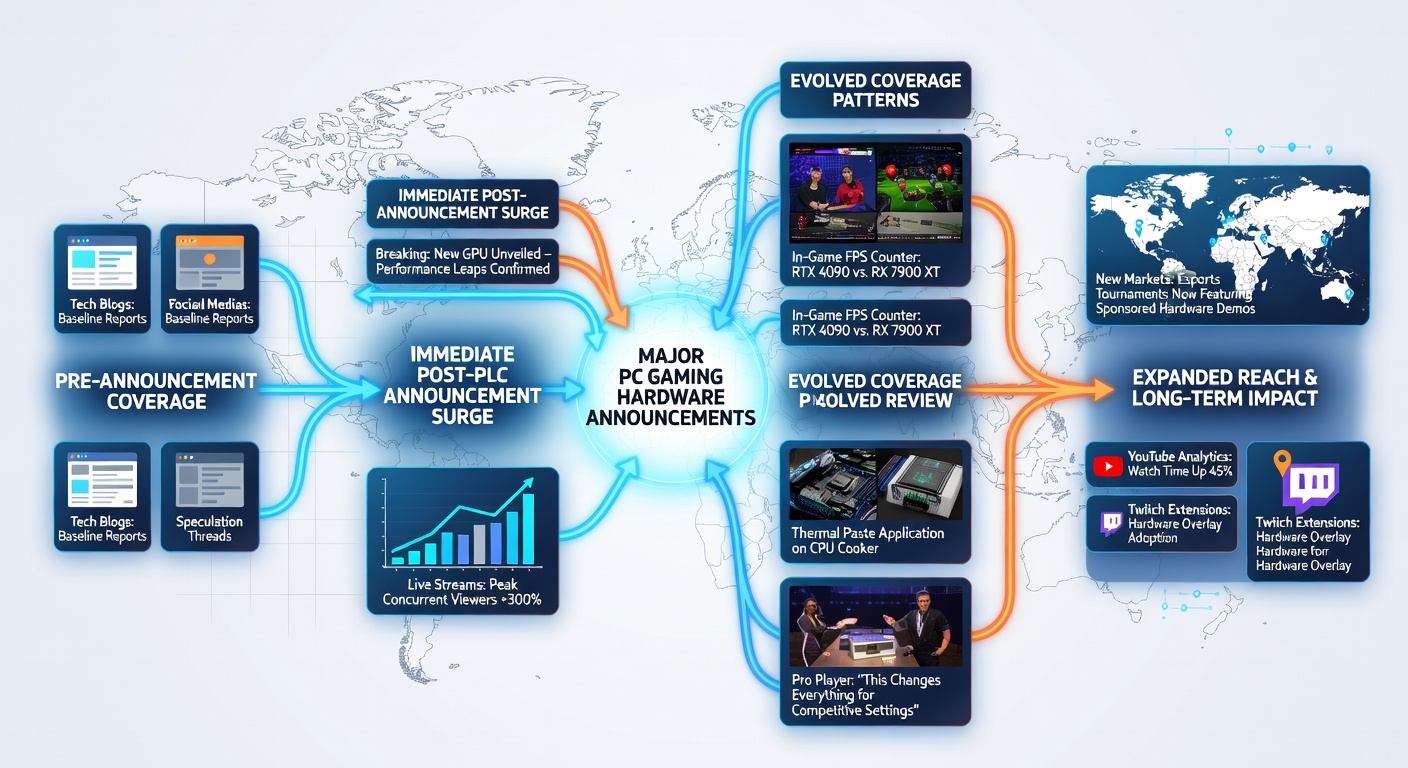
Analysts tracking sentiment on discussion platforms recorded a measurable uptick in threads that linked desktop announcement threads to mobile strategy guides. Threads that once stayed within single-platform boundaries now reference driver updates or cooling solutions that affect both categories, and journalists have begun quoting those conversations as evidence of converging audiences.
Regional Media Outlets Adapt Their Beats
European and North American sites that traditionally focused on high-end rig builds have added recurring mobile columns after noticing that referral traffic from smartphone news aggregators increased following hardware launches. A report compiled by the European Games Developer Federation highlighted how coverage frequency on portable esports titles rose in tandem with desktop component reviews, particularly when new GPUs enabled smoother encoding for mobile viewers watching at reduced resolutions.
Similar adjustments appeared in outlets serving Oceania markets, where journalists cited university-led surveys showing that 41 percent of competitive mobile players now follow at least one PC hardware channel for indirect performance insights. These surveys tracked search-term overlaps rather than self-reported opinions, revealing that queries for “RTX mobile cloud settings” spiked immediately after each major announcement cycle.
Advertising and Sponsorship Realities
Brands supplying both desktop cards and mobile chipsets have adjusted media buys accordingly. Placement data from May 2026 campaigns show increased spend on articles that bridge the two segments, because click-through rates remained higher when stories addressed shared technical concerns such as thermal throttling or input latency. Tournament organizers have responded by inviting hardware sponsors to co-brand segments that cover both PC and mobile brackets within the same broadcast window.
Those shifts in advertiser interest have encouraged editorial teams to maintain standing desks dedicated to cross-platform analysis, ensuring that hardware news cycles produce content usable by readers on either side of the traditional desktop-mobile divide.
Conclusion
Patterns observed through the first half of 2026 demonstrate that major PC hardware announcements no longer remain confined to desktop coverage ecosystems. Instead, reporting frameworks now routinely incorporate mobile performance data, audience metrics, and regional tournament results because those elements travel together through shared digital channels. Industry statistics and platform analytics confirm the reach has widened, and editorial practices continue to evolve in response to the measurable overlap between once-separate communities.