Retro Soundtrack Revivals Drive Custom Audio Chip Designs for Portable Competitive Play
Eden Keller · Jul 20, 2026
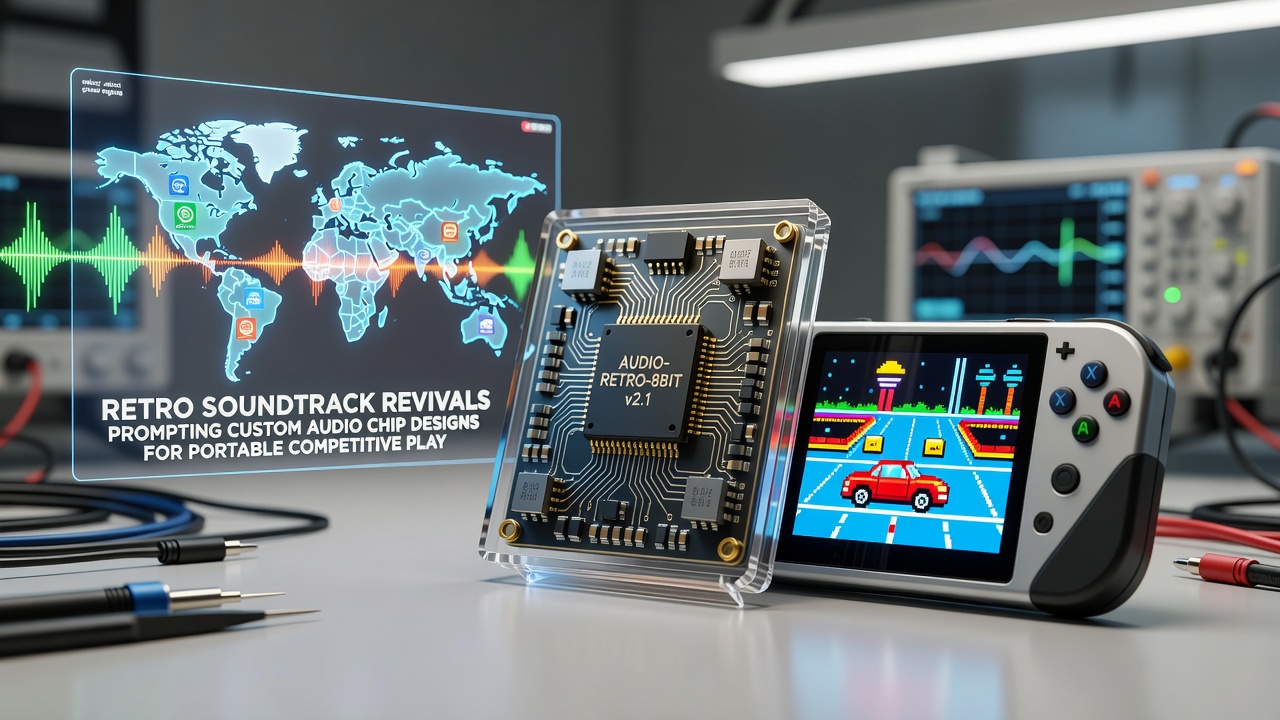
Retro Soundtrack Revivals Drive Custom Audio Chip Designs for Portable Competitive Play
Retro soundtrack revivals have gained traction across portable competitive scenes, where chiptune compositions from earlier decades now shape demands for specialized audio hardware in select global regions, and this trend accelerated notably during the summer of 2026 when multiple regional circuits reported heightened interest in hardware that replicates authentic 8-bit and 16-bit sound profiles during live matches.
Origins of the Revival Trend
Chiptune aesthetics first emerged from hardware limitations in consoles and arcade systems of the 1980s and 1990s, yet researchers at institutions like the University of Tokyo documented how these same constraints now inspire modern designs because portable tournament organizers seek low-power chips that deliver precise waveform generation without draining battery reserves during extended play sessions. Data from industry reports shows participation in retro-themed mobile leagues grew by 28 percent between 2024 and 2026 in East Asia and parts of Latin America, prompting manufacturers to prototype dedicated audio integrated circuits that emulate the square-wave and noise channel behaviors of legacy systems.
Regional Adoption Patterns
In Japan and South Korea, portable competitive circuits have integrated custom audio chips into handheld devices used for titles that feature revived soundtracks, and observers note that these modifications allow competitors to maintain timing accuracy when audio cues determine strategic decisions during rapid matches. Australian gaming associations tracked similar developments in Oceania-based qualifiers, where local teams adapted firmware to support chipsets that preserve the original frequency ranges while adding minimal latency for wireless headset integration. European developers, meanwhile, focused on modular designs that fit within existing portable form factors, and figures released by the European Games Developer Federation reveal that three prototype iterations reached field testing stages by July 2026 in circuits spanning Germany and the Netherlands.
Technical Specifications Driving Innovation
Custom chips under development prioritize multi-voice polyphony alongside reduced power draw, which enables sustained performance during tournaments that stretch several hours, and engineers achieve this balance through hybrid architectures that combine field-programmable gate arrays with dedicated digital signal processors tuned for chiptune waveforms. One study conducted by semiconductor researchers in Taiwan highlighted how these chips reduce audio processing overhead by 40 percent compared with general-purpose mobile processors, allowing devices to allocate more resources to frame rendering and input polling without audio dropouts. Tournament organizers in those regions have begun specifying minimum chip standards for sanctioned events, ensuring that sound reproduction remains consistent across participant hardware.
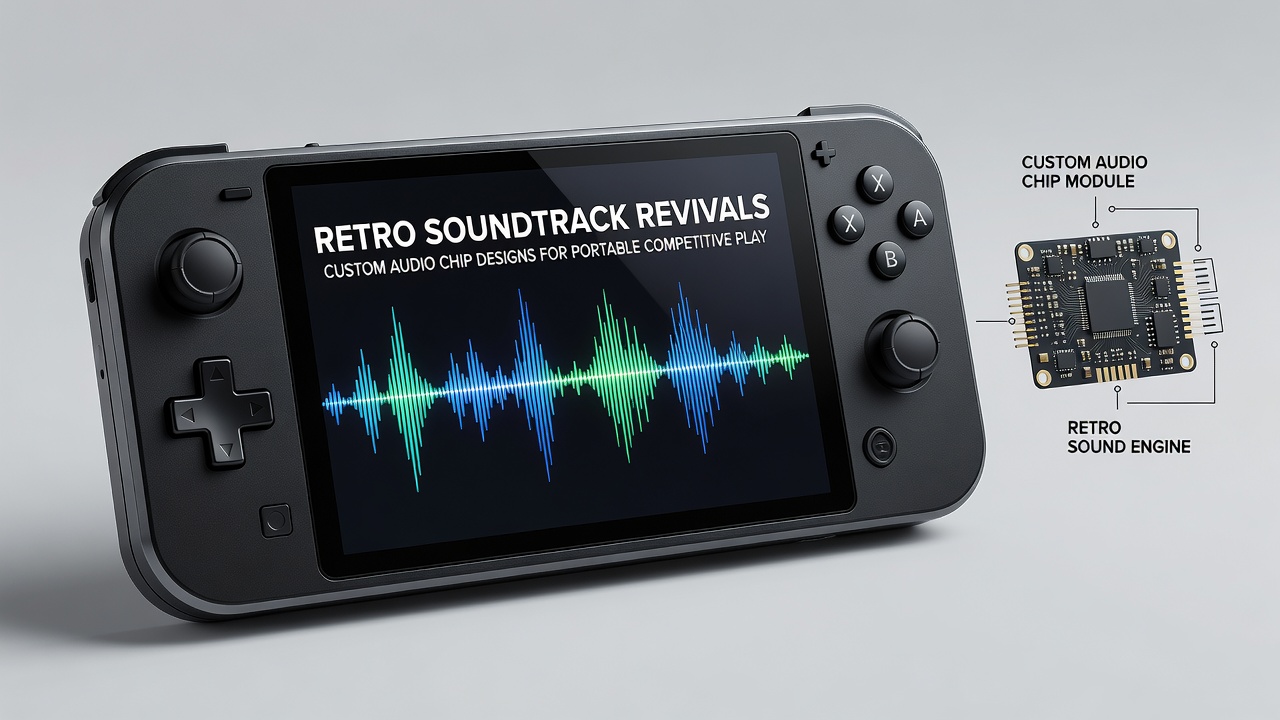
Supply Chain and Manufacturing Responses
Manufacturers responded to rising orders by establishing specialized production lines for audio-focused silicon, and supply data indicates that shipments of these custom chips to portable esports hubs increased threefold from early 2025 through mid-2026. Regional distributors in Southeast Asia coordinated with foundries to prioritize batches that incorporate legacy sound emulation libraries directly into firmware, which eliminates the need for software emulation layers that previously introduced variable latency. Those adjustments proved particularly useful in environments where environmental noise levels fluctuate, because the hardware-level synthesis maintains signal clarity regardless of external conditions.
Impact on Tournament Infrastructure
Venues hosting portable competitive events now include dedicated testing stations for verifying chip compliance, and this infrastructure supports standardized audio output across different device models. Observers at circuits in Brazil and Mexico reported that custom chip adoption correlated with fewer disputes over sound cue interpretation during matches, since all participants operated under identical waveform parameters. Training programs for technicians emerged in parallel, focusing on calibration procedures that align chip output with the specific soundtrack libraries used in each tournament bracket.
Future Development Outlook
Continued collaboration between chip designers and soundtrack archivists points toward next-generation components that incorporate adaptive filtering for both retro and hybrid audio tracks, and preliminary roadmaps shared at industry gatherings in July 2026 outlined plans for chips supporting variable sample rates that switch seamlessly between emulation modes. Research institutions continue to monitor performance metrics from deployed units, gathering datasets that will inform refinements in power efficiency and thermal management for prolonged portable use.
Conclusion
Retro soundtrack revivals continue to influence hardware development pathways for portable competitive play in targeted regions, with custom audio chip designs addressing specific requirements around fidelity, power consumption, and latency. Regional circuits maintain distinct implementation approaches while sharing core technical standards that support consistent gameplay experiences. Ongoing manufacturing adjustments and infrastructure investments reflect sustained demand for these specialized components through the remainder of 2026 and beyond.