Regional Player Meetups Reshaping Input Device Standards for Compact Gadget Events in Emerging Markets
Mia Lehmann · Aug 1, 2026
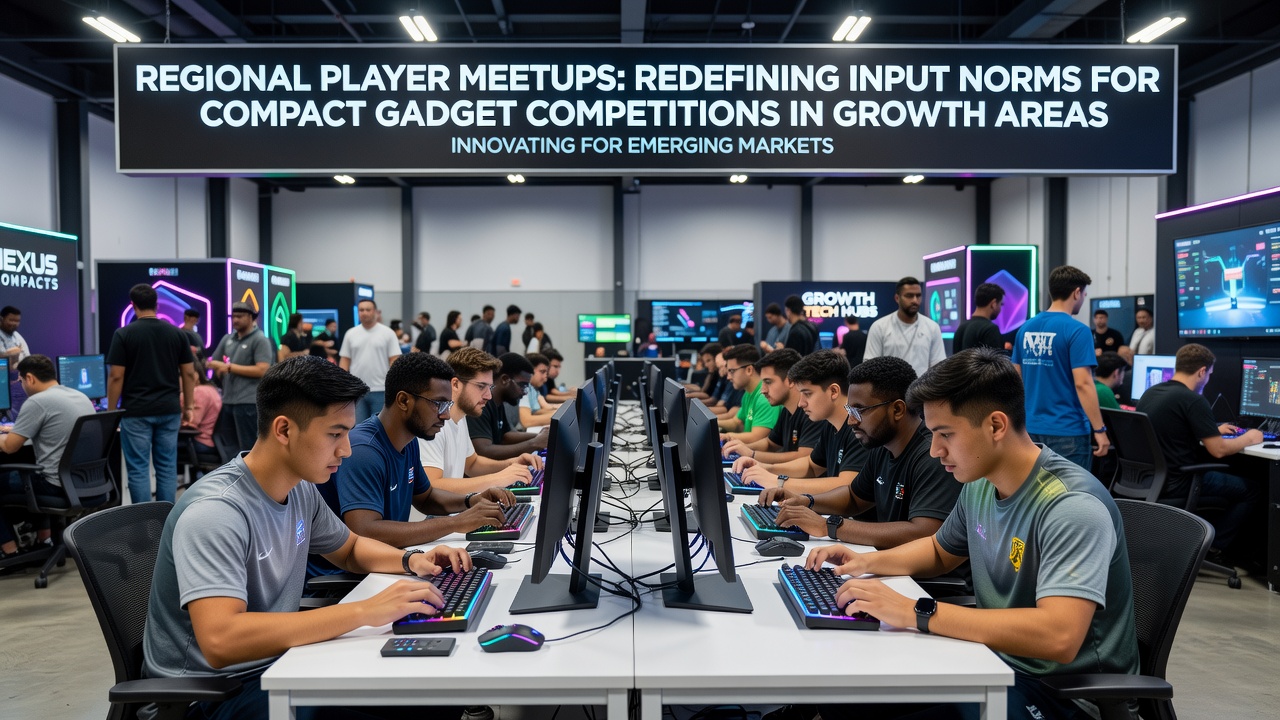
Regional Player Meetups Reshaping Input Device Standards for Compact Gadget Events in Emerging Markets
Regional player meetups have begun influencing input device norms across compact gadget competitions in growth areas where mobile and portable hardware dominate local scenes, and data from industry reports shows steady shifts in accessory preferences since early 2025. These gatherings bring competitors together in cities across Southeast Asia, Latin America, and parts of Africa, where they test and refine controllers, grips, and touch overlays that fit the constraints of smaller screens and shorter play sessions common in these regions.
Patterns Emerging from Local Gatherings
Observers note that meetups often start with informal sessions in community centers or cafes, yet they quickly evolve into structured events where participants compare hardware modifications side by side; one study from the University of Cape Town documented how players in Johannesburg adjusted thumbstick sensitivity on compact controllers to match the faster input demands of quick-session titles, and similar adjustments spread to tournaments in Nairobi within months. Data indicates that by August 2026 these localized experiments had produced measurable changes in device standards, with manufacturers releasing updated firmware that supported region-specific button layouts and ergonomic tweaks.
What's interesting is how these changes move beyond single locations, because shared videos and group chats allow ideas to travel quickly between cities in different countries, and figures from the Entertainment Software Association reveal rising accessory sales in emerging markets tied directly to meetup activity rather than global product launches. Competitors report that touch-based input gives way to hybrid setups combining phone clips with external paddles, while compact gadget events adopt rules that accommodate these modifications without favoring one brand over another.
Hardware Adjustments in Specific Growth Areas
In Southeast Asian cities such as Manila and Jakarta, player groups have standardized on lighter weight controllers that reduce fatigue during extended brackets, and researchers at Nanyang Technological University tracked how these preferences influenced local suppliers to stock more models with adjustable tension springs by mid-2026. Latin American meetups in São Paulo and Mexico City followed a parallel path, where participants favored devices with improved battery integration to handle longer travel times between venues, and industry associations in the region noted corresponding growth in accessory distribution networks.
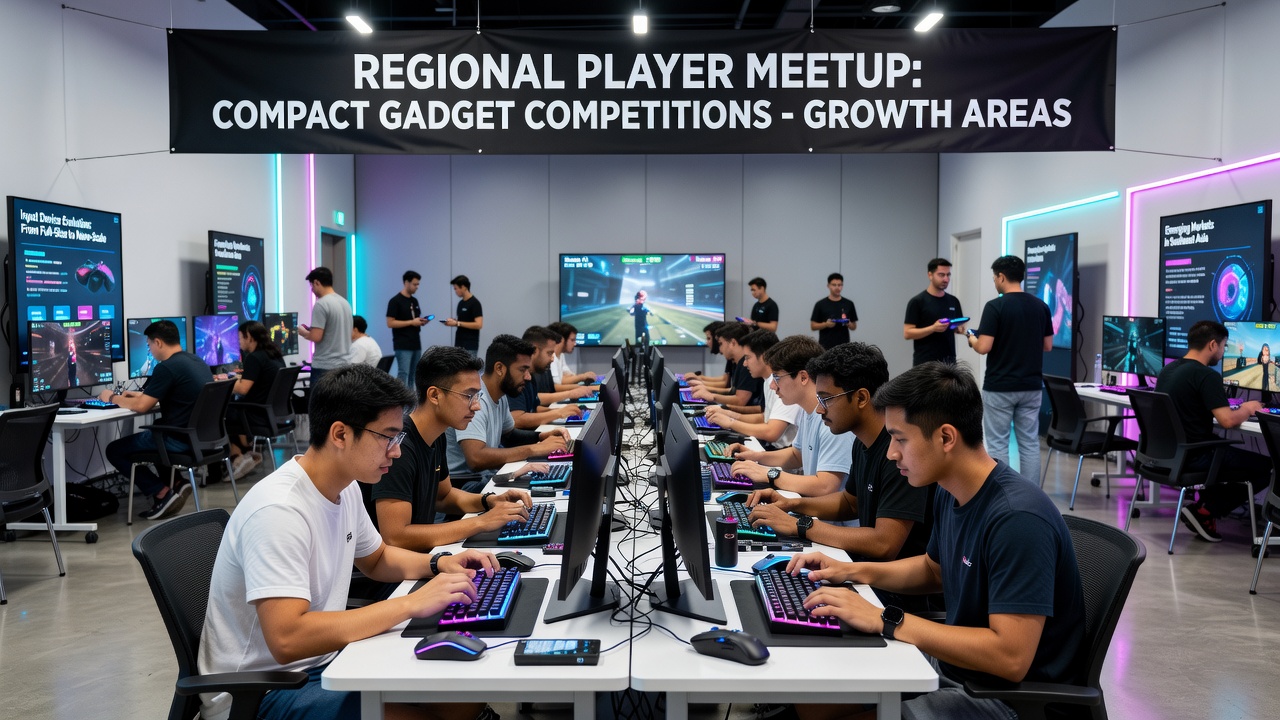
Those who attend multiple events across borders often discover that input norms converge around shared features like modular button remapping, because the compact nature of the gadgets requires solutions that travel well in luggage or backpacks. Government data from Singapore's Infocomm Media Development Authority shows increased participation in portable tournaments coinciding with these hardware refinements, and the pattern repeats in secondary cities where infrastructure supports smaller-scale events more readily than large arena productions.
Effects on Tournament Rules and Accessibility
Tournament organizers respond by updating guidelines to include input device specifications that emerged from meetup feedback, and this approach keeps competitions inclusive for players who rely on locally sourced or modified gear rather than premium imports. Evidence from regional esports networks indicates that events held after August 2026 incorporated more categories for custom input configurations, which in turn encouraged broader attendance from participants who previously felt excluded by rigid hardware requirements.
Compact gadget competitions benefit when norms stabilize around practical designs that balance precision with portability, because the devices must function reliably in venues with variable power access and limited setup space. Players exchange specific calibration techniques during these meetups, and the resulting knowledge base spreads through open forums where others replicate successful setups without needing advanced technical training.
Conclusion
Regional meetups continue to drive incremental changes in input device expectations for compact gadget events across growth areas, with ongoing data collection from academic and industry sources tracking how these local adaptations scale into wider standards. The process relies on repeated interaction among competitors who test equipment in real conditions, and the outcomes feed back into product development cycles that reflect the needs of portable tournament circuits rather than imported trends alone.