Regional Collector Networks Sparking Fresh Approaches to Input Device Customization in Portable Gaming Circuits
Alex Simmons · Jun 24, 2026
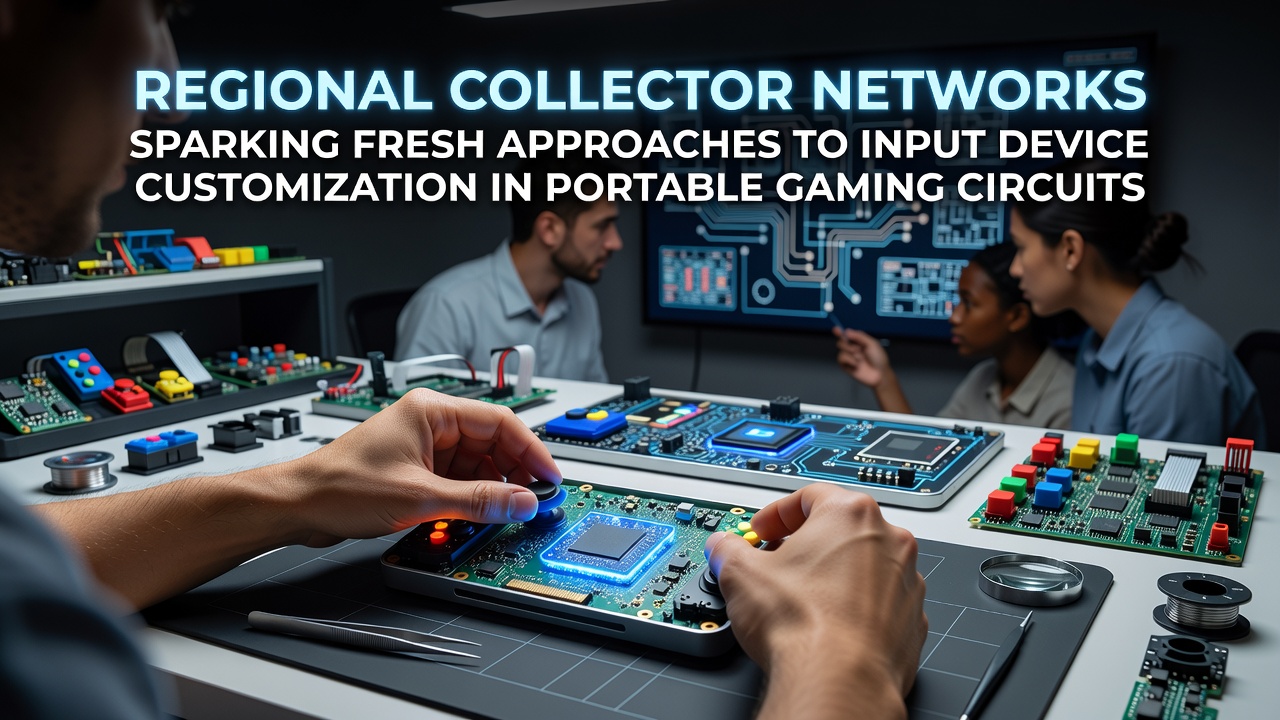
Regional Collector Networks Sparking Fresh Approaches to Input Device Customization in Portable Gaming Circuits
Regional collector networks have expanded their focus beyond preservation to include active development of input device modifications for portable gaming systems, and these groups now share schematics, component sources, and firmware tweaks through organized regional channels that connect enthusiasts across multiple continents.
Expansion of Collector Networks in Key Regions
Networks based in Southeast Asia and North America began coordinating more closely after 2024, when portable gaming hardware sales figures released by the Consumer Technology Association showed sustained demand for older handheld models alongside newer releases. Collectors in these areas formed working groups that catalog component compatibility and test circuit alterations, while groups in Europe and Australia followed similar patterns by late 2025.
Data from industry tracking indicates that participation in these networks grew by roughly 18 percent between 2023 and 2025, driven by access to shared databases rather than isolated individual efforts. In June 2026 several regional chapters scheduled joint virtual sessions to review new input layouts derived from vintage portable units, and the sessions drew participants from over thirty countries.
Technical Approaches to Input Device Customization
Participants adapt analog stick mechanisms, button matrices, and trigger assemblies from discontinued models to fit current portable circuits. One documented method involves rerouting signal paths through add-on boards that maintain original voltage tolerances while adding programmable debounce timing, and another approach replaces stock membrane switches with optical sensors sourced from industrial suppliers.
These modifications often start with teardown documentation compiled by network members, then move to prototype testing on standardized test rigs. Observers note that the process emphasizes backward compatibility so that altered devices remain usable in both casual sessions and organized local events. Research papers hosted by academic repositories describe similar reverse-engineering steps applied to embedded gaming hardware, confirming that collector-derived techniques align with established electrical engineering practices.
Integration with Portable Gaming Circuits
Custom input assemblies connect to portable gaming circuits through standardized pinouts that several networks have published in open repositories. The connections allow variable polling rates without exceeding the power budgets of battery-powered units, and firmware patches distributed within the networks adjust timing parameters to reduce input latency in specific titles.
Figures released by the International Game Developers Association in early 2026 highlight increased use of third-party input modules in portable development kits, and the report links this trend partly to documentation originating from collector communities. Circuit boards designed for these modules incorporate modular headers that simplify future swaps, reducing the need for full device disassembly during repairs or upgrades.

Knowledge Sharing and Documentation Practices
Networks maintain wikis and version-controlled repositories that record successful modifications alongside failure modes, and these resources receive regular updates from contributors who test devices under controlled conditions. Members exchange physical samples through regional hubs, which lowers shipping costs and speeds validation of new component combinations.
Training sessions held by the networks cover soldering techniques, multimeter diagnostics, and basic firmware flashing procedures, and attendance records show consistent turnout from both long-term collectors and newer participants who entered the scene after 2024. The resulting documentation has been referenced in conference proceedings focused on embedded systems and consumer electronics repair.
Observable Outcomes in Local Circuits and Events
Portable gaming events in multiple regions now feature categories that permit modified input devices provided they meet published safety and compatibility guidelines. These categories record participation numbers that have risen steadily, and organizers attribute part of the increase to the availability of pre-tested customization kits assembled by network members.
Supply chain data collected by trade groups shows corresponding growth in orders for niche components such as specialized potentiometers and optical encoders, items that previously saw limited commercial distribution. The same data indicates that shipments to smaller regional distributors increased after network-driven demand became measurable in 2025 order logs.
Conclusion
Regional collector networks continue to refine methods for adapting input hardware to portable gaming circuits through structured documentation, component exchange, and collaborative testing. The approaches they develop remain grounded in existing electrical standards while extending usability of both legacy and current devices across diverse geographic areas.