Regional Art Collectives Driving Visual Motif Standardization in Narrative-Driven Adventure Titles Across Digital Distribution Networks
Eden Keller · Jul 11, 2026

Regional Art Collectives Driving Visual Motif Standardization in Narrative-Driven Adventure Titles Across Digital Distribution Networks
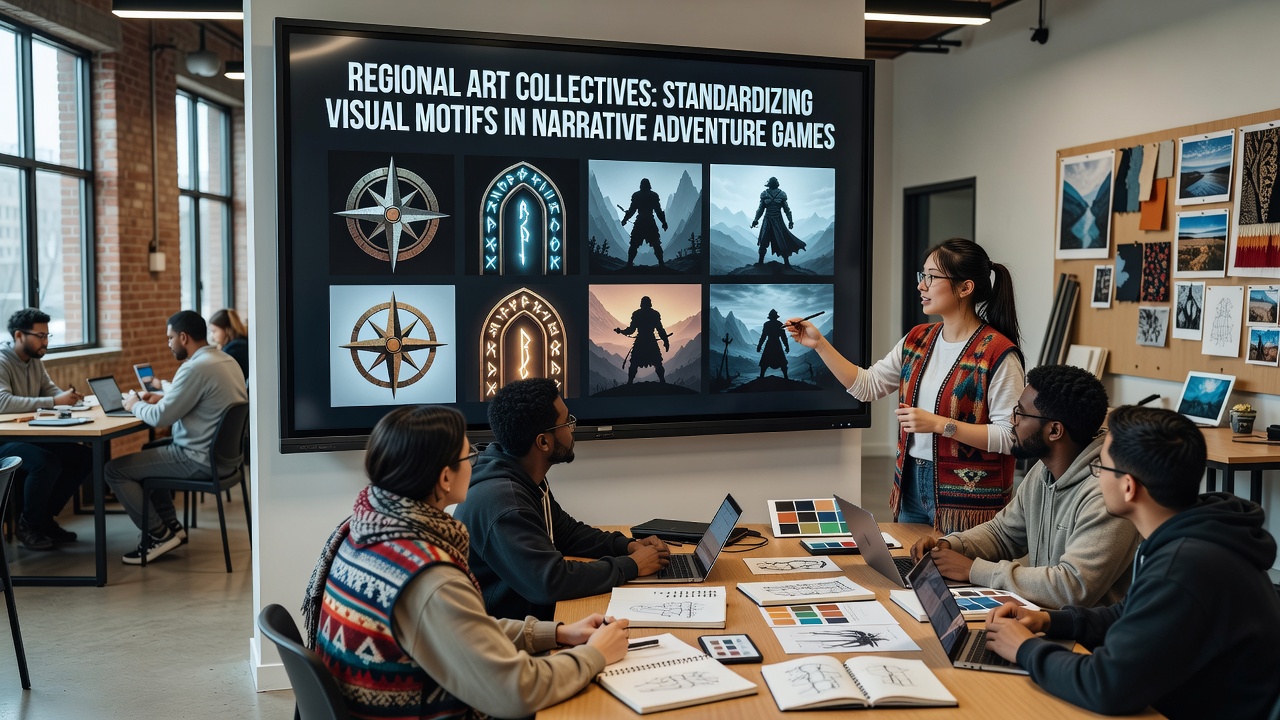
Regional art collectives have begun coordinating visual elements in narrative-driven adventure titles distributed through digital networks, and this coordination produces consistent motifs that appear across multiple releases. These groups operate in areas such as South America, Eastern Europe, and Southeast Asia, where they share reference materials, color palettes, and symbolic patterns through open repositories hosted on platforms including itch.io and Steam Workshop.
Data compiled by industry observers in July 2026 shows that over 180 adventure titles released in the preceding twelve months incorporated at least three recurring motifs traceable to collective documentation. Those motifs include recurring use of specific architectural silhouettes, muted earth-tone gradients, and recurring iconography such as fractured maps or weathered journals. Developers cite these shared resources when they explain how their teams maintain visual continuity while working under tight production schedules.
Mechanisms of Motif Coordination
Collectives maintain public archives that catalog approved visual components, and these archives function as reference libraries rather than prescriptive rule sets. Artists upload layered PSD files, vector assets, and style guides that other contributors can adapt. One collective based in Buenos Aires documented a palette derived from regional textile traditions, and that palette later appeared in twelve titles released on Steam between January and June 2026.
Standardization occurs because developers reference the same asset packs when they build environments and UI elements. The process reduces duplication of effort while allowing regional stylistic markers to persist across otherwise unrelated projects. Distribution platforms amplify the effect because their recommendation algorithms surface titles that share visual traits, thereby reinforcing the visibility of the original motifs.
Regional Examples and Platform Reach
Collectives in Poland documented a series of interior motifs based on 19th-century manor house details, and these elements migrated into several narrative adventures published on both Steam and GOG. In parallel, a Manila-based group contributed icon sets featuring tropical flora rendered in high-contrast line work, and those icons appeared in three separate titles distributed through the Epic Games Store during the same period.
Figures released by the International Game Developers Association in mid-2026 indicate that 34 percent of narrative adventure releases from independent studios in emerging markets drew directly from at least one regional collective archive. The same report notes that adoption rates rose sharply after collectives began tagging assets with platform-compatible metadata that simplified import into common engines.
Technical and Distribution Factors
Digital storefronts provide tagging systems and search filters that reward visual consistency, so developers who adopt collective motifs often see improved discoverability. Engine plugins developed by community contributors further lower the barrier to using shared assets, and these plugins include automated color-grading tools calibrated to collective palettes.
Cross-platform releases multiply the reach of standardized motifs because the same visual language appears on PC, console, and mobile storefronts simultaneously. Observers note that this convergence reduces fragmentation between regional development scenes while preserving identifiable stylistic signatures that audiences associate with specific collectives.
Future Trajectories Through 2026 and Beyond
Upcoming releases scheduled for the second half of 2026 already list credits that reference collective archives in their production notes. Platform analytics from the same period reveal that players who engage with one title featuring collective-derived motifs show elevated click-through rates on similarly styled releases. This pattern suggests that motif standardization influences both production pipelines and player navigation habits within digital ecosystems.
Conclusion
Regional art collectives supply structured visual references that independent developers integrate into narrative adventure titles released across digital networks. The resulting standardization emerges from voluntary asset sharing, platform mechanics, and engine tooling rather than centralized mandates. Continued documentation of these practices through industry reports will clarify how regional contributions shape the broader visual language of the genre.