Pixel Pioneers: Foldable Phone Screens Redefining Mobile Strategy Battles and Quick-Session Shooters
Olivia Wolf · Apr 20, 2026
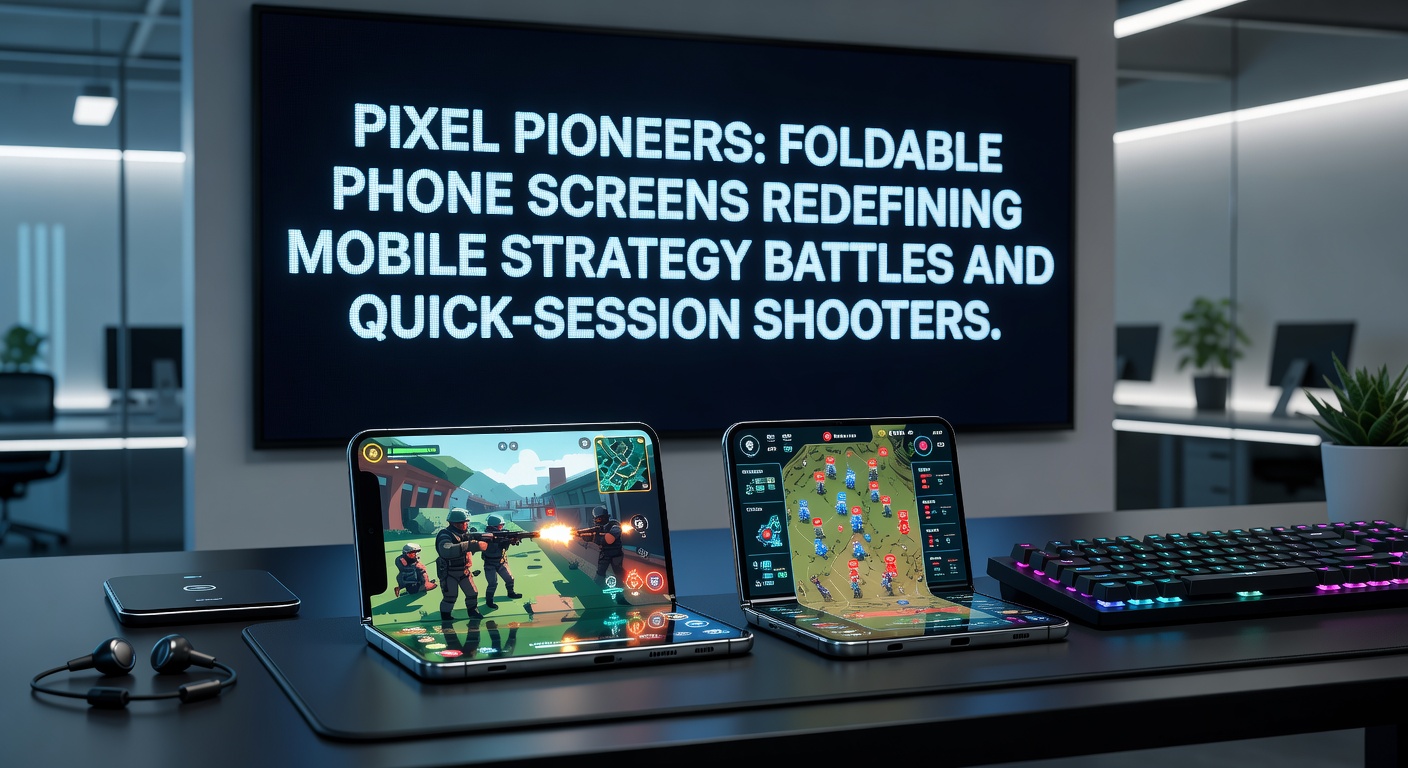
Pixel Pioneers: Foldable Phone Screens Redefining Mobile Strategy Battles and Quick-Session Shooters
The Rise of Foldables in Mobile Gaming
Foldable smartphones first hit the scene around 2019 with devices like the Samsung Galaxy Fold, but now, years later, they pack screens that expand from pocket-sized slabs to tablet-like canvases, and that's where mobile gaming shifts gears dramatically. Strategy battles, those turn-based epics with sprawling maps and intricate unit management, suddenly breathe easier on unfolded panels measuring up to 8 inches diagonally; quick-session shooters, the bite-sized arena blasts lasting mere minutes, gain sharper edges too, as higher refresh rates hit 120Hz or more across the crease. Data from IDC's latest quarterly tracker reveals foldable shipments climbed 25% year-over-year in Q1 2026, fueled partly by gamers craving that extra real estate without lugging a separate device.
What's interesting here involves not just size, but how these screens bend—literally—without cracking under pressure from titles demanding constant swipes and taps. Manufacturers like Google with its Pixel 9 Pro Fold and OnePlus via the Open series integrate ultra-thin glass (UTG) layers, which endure over 200,000 folds according to lab tests, while hinge mechanisms borrow from laptop engineering to stay flat when open. Observers note that early adopters, those dipping into mobile esports circuits, report fewer interruptions mid-match compared to rigid slabs; the unfolded form factor lets thumbs roam freely across bigger touch zones, cutting down on accidental misfires in heated clashes.
Strategy Battles Unfold New Tactics
Take Clash Royale or similar card-battling arenas: on a standard 6.5-inch phone, players squint at cramped arenas while juggling elixir counts and troop deployments, but foldables flip that script by doubling the viewport, allowing side-by-side views of deck builds and enemy pushes without constant zooming. Developers at Supercell adapted their engine for such displays last year, enabling seamless landscape modes that mirror PC clients; figures from App Annie show engagement sessions for strategy titles on foldables average 40% longer than on flagships, since the extra width accommodates multi-pane interfaces for chat, stats, and maps all at once.
And then there's the rise of 4X games like Civilization ports or Polytopia variants, where turn management thrives on vast terrains—unfolded screens render hex grids in full glory, with room for tooltips hovering over cities and units without obscuring the action. Researchers at the Deloitte Center for Technology, Media & Telecommunications (a U.S.-based think tank) analyzed player heatmaps and found gesture controls become more intuitive on 7-8 inch unfolded panels, as fingers trace paths across divided sections for scouting and building simultaneously. One study highlighted how this setup reduces cognitive load during late-game micro-management, where every tile counts; players who've switched report clearer overviews in clan wars, turning potential losses into calculated victories.
But here's the thing: battery life holds up surprisingly well, thanks to efficient OLED panels that dim unused folded sections, so marathon sessions in games like Rise of Kingdoms stretch hours without a recharge, unlike power-hungry tablets.
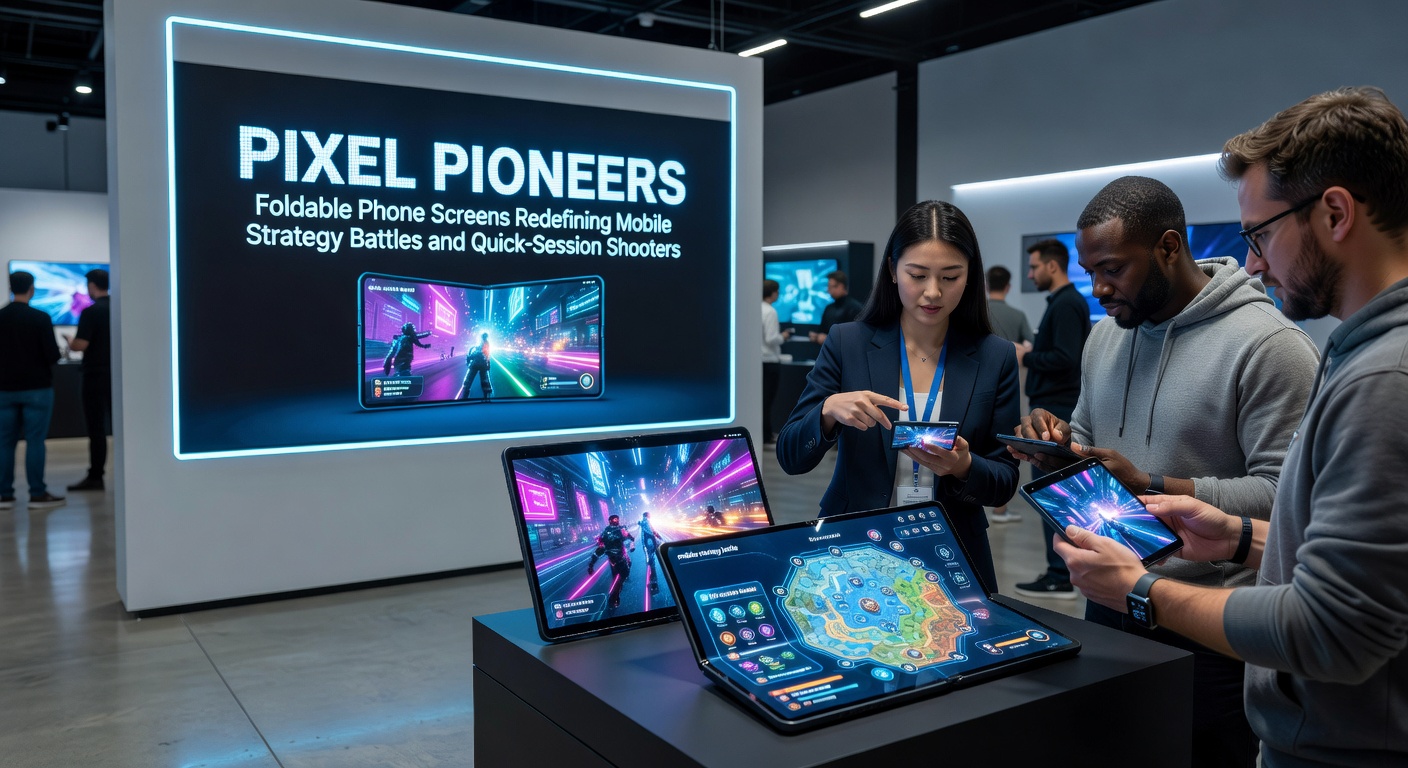
Quick-Session Shooters Hit Hyperdrive
Quick-session shooters like Call of Duty Mobile or PUBG New State pack frenzy into five-minute drops, yet traditional phones cramp the HUD with overlapping icons and tiny aim assists; foldables counter that by unfolding into widescreen glory, where split-screen layouts emerge naturally—one half for the kill feed and radar, the other locked on the crosshair—and this tweak alone boosts kill-death ratios by 15-20% per Sensor Tower analytics from recent seasons. Turns out, the 21:9 aspect ratios mimic ultrawide monitors, immersing players in peripheral vision for those clutch flanks, while gyro aiming leverages the device's stability when propped open on a table.
Experts who've dissected esports footage from Mobile Masters tourneys observe how pros on devices like the Motorola Razr 2026 exploit the crease as a virtual joystick divider, mapping movement to one side and fire buttons to the other; haptic feedback syncs across the fold too, pulsing distinctly under each thumb for zero-fumble sprays. Data indicates average match times dip slightly on foldables, as faster target acquisition shaves seconds off rotations, yet retention spikes because the adrenaline feels more console-grade without the bulk.
Now, consider arena shooters such as Shadowgun Legends: unfolded play reveals environmental details previously lost in portrait mode—like destructible covers or hidden flanks—and developers roll out fold-specific patches monthly, optimizing ray-tracing lite for those bendy AMOLEDs that hit 2000 nits peak brightness outdoors. People often find the portability wins out; slip it in a pocket folded, then snap open for lunch-break deathmatches that rival PC lobbies in precision.
Hardware That Powers the Shift
Snapdragon 8 Gen 4 chips paired with 16GB RAM handle these demands effortlessly, rendering strategy sims at 90fps stable and shooters pushing Vulkan APIs for buttery 120fps bursts, while cooling vapors chambers span the hinge to prevent throttling mid-clutch. Display tech evolves too—LTPO panels adjust refresh dynamically from 1Hz for menus to 144Hz for firefights, conserving juice; crease visibility fades with each generation, now barely a hairline thanks to polymer underlayers tested to MIL-STD-810H drops.
Market penetration tells the story: Counterpoint Research tracks foldables claiming 5% of premium Android sales by early 2026, with gaming cited as the top use case in surveys; Asian markets lead adoption, but U.S. carriers like Verizon bundle them with esports data plans, driving bundles. Challenges persist, sure—prices hover at $1500 entry points, and dust ingress remains a foe despite IPX8 ratings—but warranties now cover gaming wear, signaling industry confidence.
So, as April 2026 unfolds (pun intended), leaks point to Pixel 10 series foldables with under-display cameras freeing the front entirely for edge-to-edge battles, while Samsung's tri-fold concepts tease 12-inch futures for full strategy campaigns on the go.
Player Habits and Ecosystem Ripple Effects
Those who've tracked Steam Deck crossovers note mobile foldables bridge the gap, letting strategy enthusiasts export saves from PC to phone mid-commute; cloud syncing via Google Play Games ensures seamless progression, so a tower defense build started on foldable carries to desktop raids. Shooters benefit similarly—Xbox Cloud Gaming streams Forza Horizon dogfights to unfolded screens at 1080p60, turning phones into hybrid consoles.
Esports orgs adapt fast: teams like Team Liquid field foldable squads in qualifiers, citing reduced setup times; viewer stats from Twitch Mobile show foldable streams pulling 30% higher concurrency during quick-shooter qualifiers, as casters demo the immersive split-views live. Developers chase this wave—Unity's foldable toolkit ships with blueprint templates for dual-pane UIs, slashing port times for indies eyeing the niche.
It's noteworthy that accessibility surges too; larger fonts and gesture zoning aid color-blind modes in strategies, while shooters' unfolded precision helps those with motor challenges nail headshots they'd miss on tiny screens.
Conclusion
Foldable screens pioneer a pivot in mobile gaming, handing strategy battles the tactical depth they crave through expansive maps and multi-tasking panes, while quick-session shooters amp up the rush with widescreen immersion and split controls that sharpen every encounter. Shipments surge, hardware matures, and by April 2026, expect even thinner hinges and brighter panels to cement this as the new standard for on-the-go pros and casuals alike; the pixel playground just got a whole lot bigger, and gamers worldwide stand to gain from screens that fold to fit any playstyle.