How Gaming Events Shape Narrative Styles in Trailers for Console and Mobile Crossovers
Olivia Wolf · Jun 13, 2026
How Gaming Events Shape Narrative Styles in Trailers for Console and Mobile Crossovers
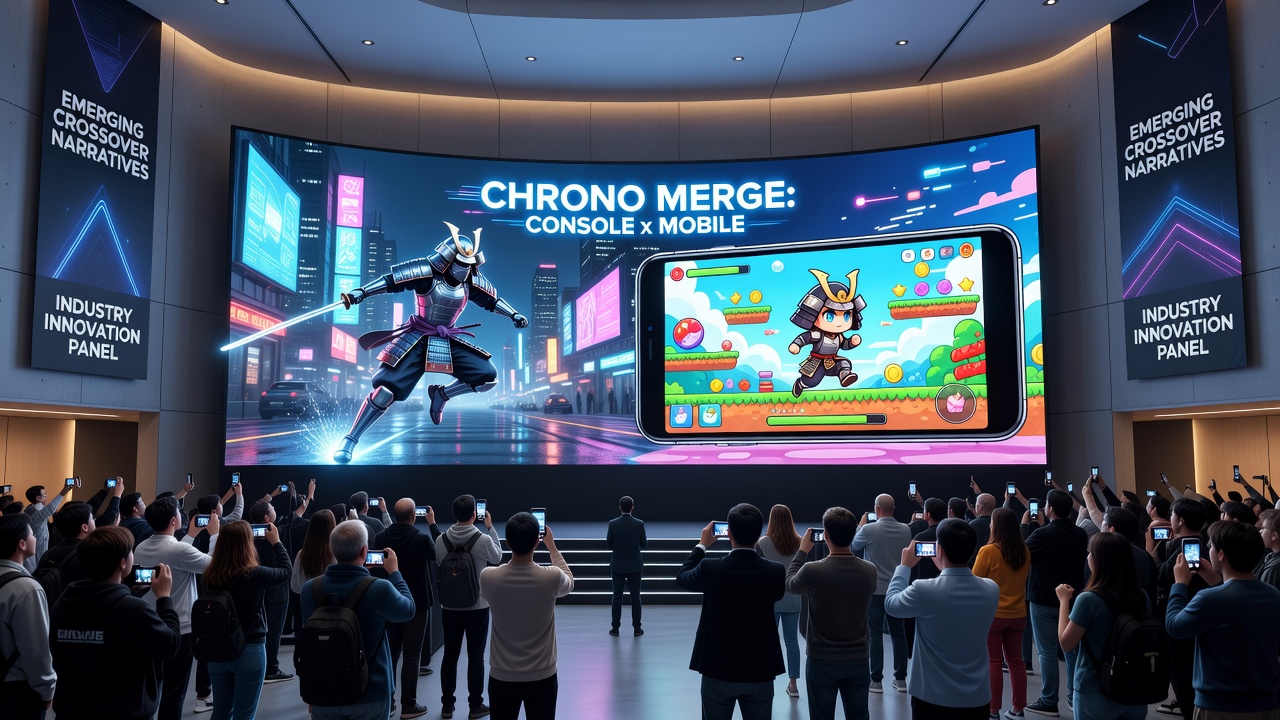
Major gaming events function as testing grounds where developers refine trailer narratives for titles that bridge console hardware and mobile platforms, and these expos generate immediate audience reactions that feed directly into subsequent marketing adjustments. Data from industry reports indicate that studios often revise story framing within weeks of feedback sessions at venues like Gamescom or the Tokyo Game Show, shifting emphasis toward hybrid mechanics that highlight portability alongside high-fidelity console experiences.
Event Cycles and Trailer Evolution
Annual showcases create predictable rhythms that influence how crossover narratives unfold on screen, because developers observe competitor presentations and adapt pacing to match emerging audience expectations. Research from the Entertainment Software Association reveals participation spikes during spring and fall events, where trailer runtimes expand or contract based on live polling data collected from attendees. Trailers for games such as cross-platform action titles frequently open with console-scale set pieces before transitioning to mobile touch controls, a structure refined through repeated event iterations rather than initial scripting alone.
June 2026 events are expected to accelerate this pattern further, since multiple studios have already scheduled simultaneous reveals for titles that synchronize console campaign arcs with mobile session-based progression. Observers note that narrative hooks introduced at these gatherings tend to prioritize quick emotional payoffs, allowing mobile segments to deliver standalone moments while console footage establishes longer arcs.
Narrative Devices Borrowed Across Platforms
Studios incorporate device-specific visual cues into unified stories, and event audiences provide the first validation of whether those cues register across demographics. One recurring technique involves parallel editing that cuts between controller inputs and touchscreen gestures within the same sequence, a method documented in post-event surveys conducted by regional trade groups. This approach emerged prominently after 2024 showcases demonstrated stronger retention when trailers avoided lengthy tutorials in favor of implied learning through character actions.
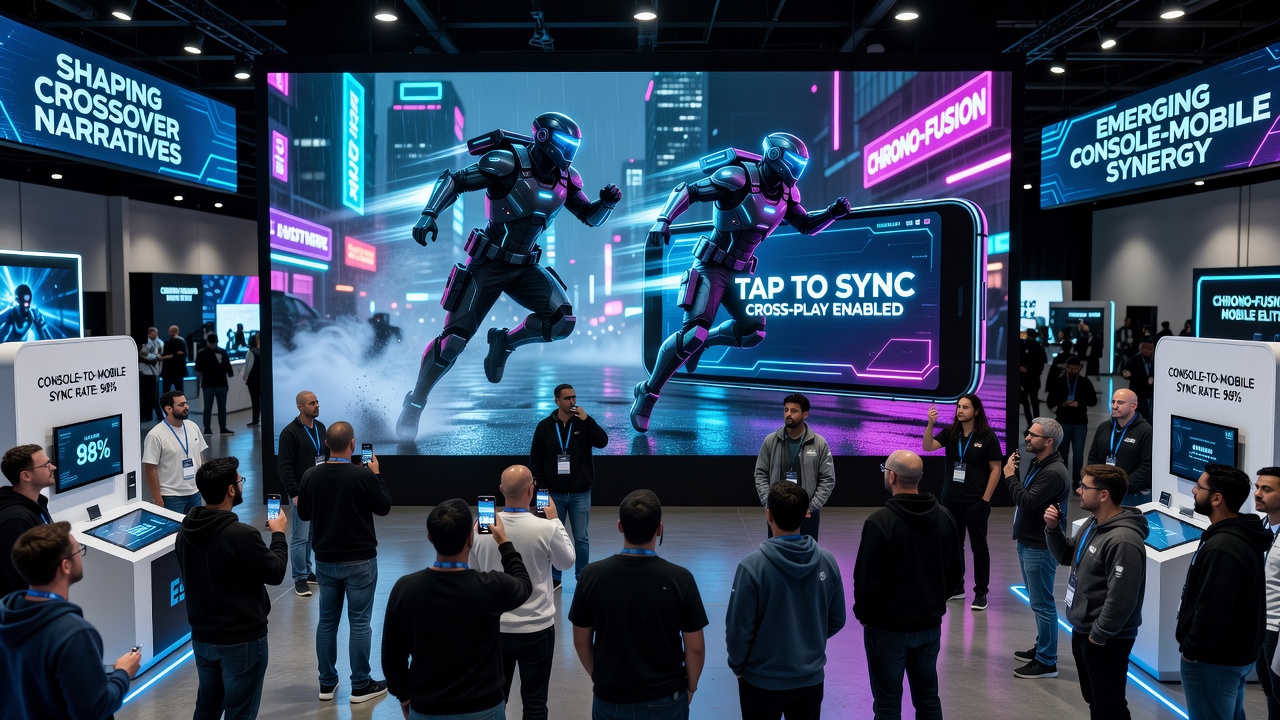
Characters often receive dual motivations that serve both formats, such as a protagonist pursuing an objective that splits into real-time battles on console and strategic planning phases on mobile. Academic analyses from European game studies programs show these dual threads appear more frequently after events where live demos allowed direct comparison of engagement metrics between platform versions. The result is trailers that treat the narrative as modular rather than linear, enabling viewers to grasp core conflicts regardless of which segment they watch first.
Feedback Loops from Live Audiences
Real-time reactions collected during panels and demo areas drive revisions that appear in final trailer cuts released weeks later, and quantitative tracking of social mentions during events correlates with specific changes in voice-over tone or visual emphasis. Industry associations across North America and Asia-Pacific regions have tracked how trailer sentiment scores rise when narratives foreground cooperative elements that function identically on both console and mobile hardware. Developers respond by trimming exposition that feels platform-specific, replacing it with environmental storytelling that translates without additional context.
Case examples include titles where initial event trailers leaned heavily on console-exclusive cinematics, yet follow-up versions balanced those sequences with mobile-optimized interstitial scenes after audience data indicated confusion among portable-device users. Such adjustments occur because events compress development timelines, forcing narrative teams to prioritize elements that test well across hardware boundaries rather than optimizing for one ecosystem alone.
Conclusion
Gaming events continue to serve as primary catalysts for narrative refinement in crossover trailers, because they supply structured environments for testing story structures against diverse player groups simultaneously. Patterns established through repeated expo cycles demonstrate consistent movement toward modular storytelling that accommodates both extended console sessions and fragmented mobile play. Figures from multiple trade organizations confirm trailer revisions based on event data have become standard practice, ensuring narratives remain coherent while highlighting platform-specific strengths without requiring separate marketing campaigns for each audience segment.