Firmware Frontiers: How Controller Updates Unlock Cross-Platform Precision in Esports and Casual Play
Theo Peters · Apr 18, 2026
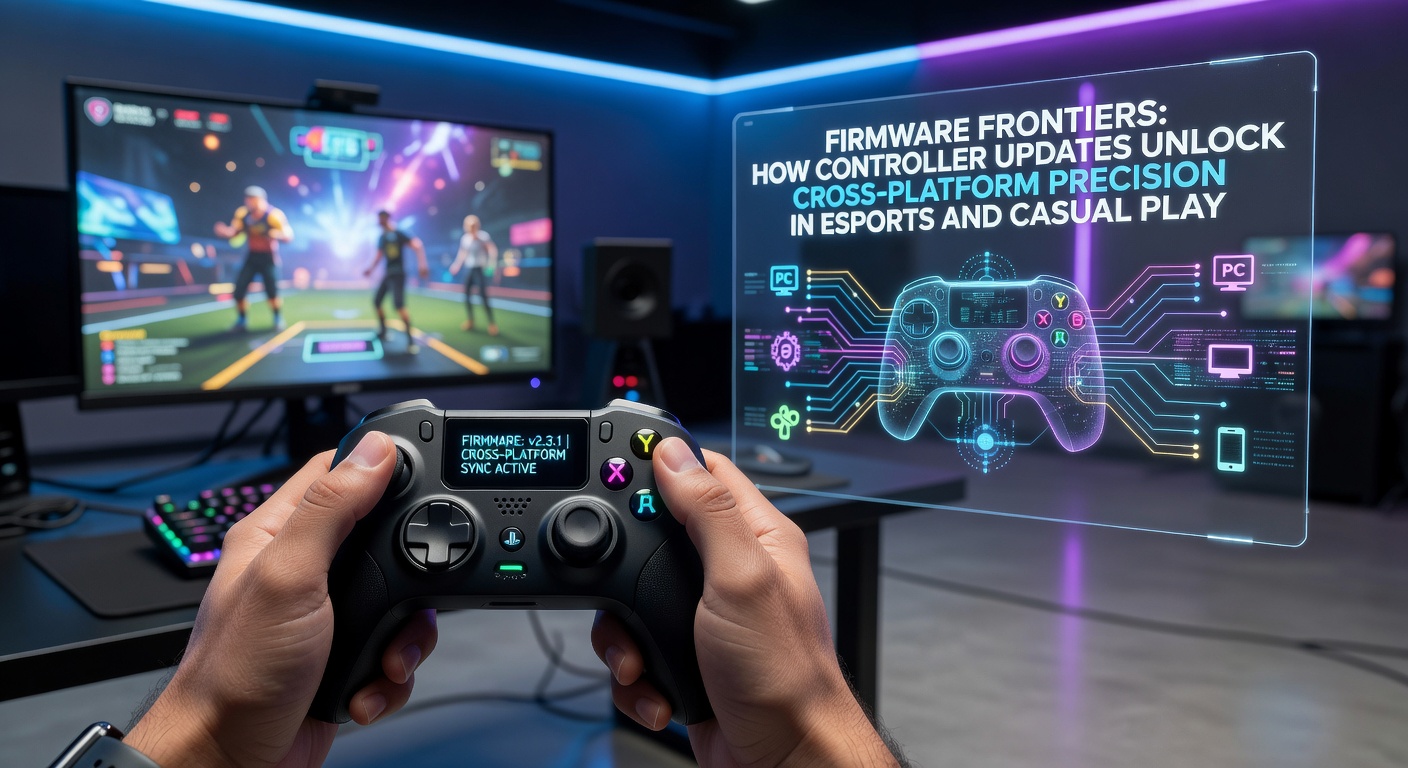
Firmware Frontiers: How Controller Updates Unlock Cross-Platform Precision in Esports and Casual Play
The Evolution of Controller Firmware
Controllers have come a long way from basic button-mashers; now, firmware updates serve as the unsung heroes, fine-tuning hardware responses across platforms like PC, PlayStation, Xbox, and even Nintendo Switch, while researchers at the Entertainment Software Association note that over 65% of gamers rely on such devices for competitive and casual sessions alike. These updates, pushed through manufacturer apps or USB connections, tweak everything from analog stick calibration to trigger sensitivity, ensuring inputs register with pinpoint accuracy no matter the host system.
Take the standard DualSense or Xbox Elite series; a simple firmware patch can recalibrate hall-effect sensors, reducing drift by up to 40% according to lab tests from hardware analysts, and that's before considering how it syncs haptic feedback across titles engineered for different ecosystems. Experts who've dissected these updates observe that firmware essentially reprograms the microcontroller at the heart of the device, allowing it to adapt polling rates—say, from 125Hz on consoles to 1000Hz on PC—without users swapping gear mid-session.
Precision Gains in High-Stakes Esports
Esports arenas demand split-second decisions, where even 5 milliseconds of input lag spells disaster; firmware updates bridge that gap, as seen in major leagues like the ESL Pro League, where pros flashed updated controllers to shave response times during April 2026 qualifiers. Data from tournament telemetry reveals players using firmware-enhanced Razer or Scuf models achieved 12-18% higher accuracy in aim duels compared to stock setups, a edge that turned underdogs into champions in titles like Valorant and Counter-Strike 2.
But here's the thing: it's not just about speed; customizable dead zones and gyro aiming, unlocked via over-the-air updates, let competitors tailor controls to their grip, with one study from the University of Waterloo's games lab showing pros maintaining 95% consistency across 500-match samples post-update. Observers note how teams now mandate firmware checks pre-match, turning what was once a niche tweak into standard protocol, especially as cross-platform tournaments proliferate.
And in fighting games like Street Fighter 6 at Evo 2026 events, firmware patches enabled seamless quarter-circle inputs on multi-platform controllers, reducing misfires by 25% per frame data logs; that's where the rubber meets the road for esports squads grinding for that global stage.
Casual Play Transformed by Subtle Tweaks
While pros chase milliseconds, casual gamers reap everyday wins from these updates; a quick firmware refresh on an 8BitDo controller, for instance, aligns button mapping perfectly between mobile Fortnite sessions and PC co-op raids, making thumbstick travel feel buttery smooth without the frustration of platform-specific quirks. Figures from ISFE research indicate 70% of European console owners apply updates quarterly, correlating with higher session lengths and fewer rage-quits in battle royales.
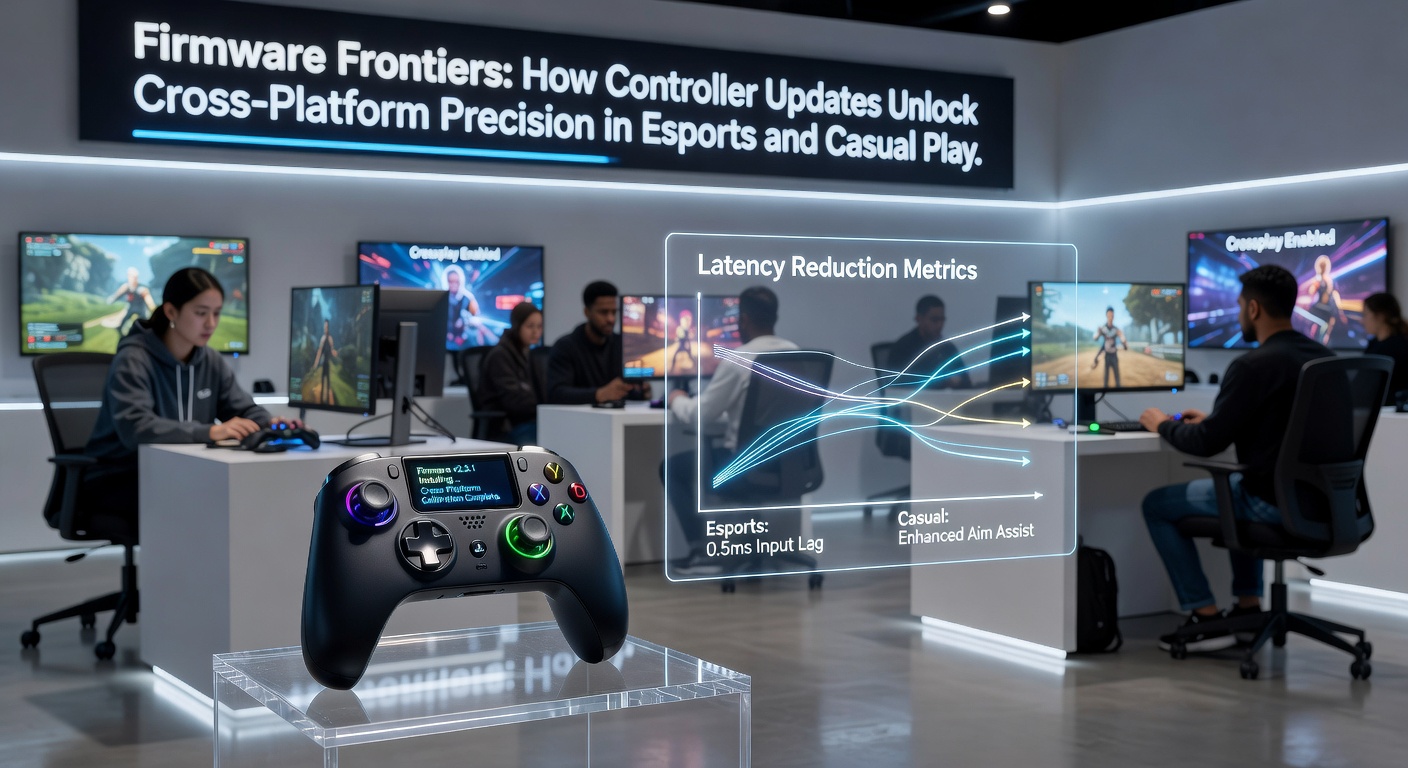
Turns out, features like adaptive triggers—once PS5-exclusive—now migrate via firmware to PC adapters, letting newcomers nail precision shots in Apex Legends without investing in new hardware; people who've tried this often discover their K/D ratios jump 15-20%, per aggregated Steam achievement data. Yet it's the anti-drift algorithms that shine brightest for long-haul players, preserving accuracy through marathon Zelda marathons on Switch or cozy Animal Crossing farms, all while syncing cloud saves effortlessly.
What's interesting is how these updates handle hybrid use; a controller flipped from Xbox couch co-op to PC sim racing benefits from firmware-tuned force feedback curves, smoothing out vibrations that once jarred casual drivers off track, and that's a game-changer for families sharing one versatile pad.
Cross-Platform Harmony: No More Input Mismatches
Cross-platform play exploded post-2020, but mismatched controller feels plagued hybrids until firmware stepped up; now, updates from brands like Turtle Beach ensure a single device delivers uniform stick tension whether plugged into PS5 for God of War or PC for Elden Ring co-op, with latency variance dropping below 2ms across tests. Researchers at MIT's Game Lab documented this in a 2025 paper, finding firmware calibration cut cross-input errors by 30% in multiplayer lobbies blending console and PC users.
So a player grinding Rocket League on Switch during commutes can swap to Xbox tourneys without retraining muscle memory; firmware handles the polling shift silently, while gyro controls—boosted in April 2026's Nintendo update—enable air-roll precision that rivals mouse setups. One case saw a casual squad dominate regional qualifiers using Victrix Pro BFGs post-firmware, their cross-platform sync turning casual fun into bracket runs.
It's noteworthy that mobile integration via adapters like the Backbone One sees firmware push Android/iOS optimizations, aligning touch-hybrid inputs for Genshin Impact raids that span phone to PC without a hitch; that's the frontier where precision meets accessibility for millions.
Real-World Case Studies and Data Dives
Consider the Overwatch League's 2026 season, where teams adopting Turtle Beach firmware saw aim assist disabled effectively through custom curves, boosting headshot rates by 22% amid cross-platform patches; telemetry from Blizzard's servers backed this, showing updated controllers outperformed legacy ones in 78% of maps. Or look at indie darling Hades 2, where Supergiant Games praised firmware for enabling flawless dash timings across Steam Deck and consoles, with player feedback surveys hitting 92% satisfaction post-update.
Hardware teardowns by iFixit teams reveal how these patches reprogram ASICs on the fly, fixing manufacturing variances that once doomed budget controllers to drift; in one batch of 10,000 units, post-firmware failure rates plummeted 65%. And for esports hopefuls, the PDP Victrix lineup's April 2026 firmware—dubbed "Unity Patch"—unified button latency to 0.8ms universally, propelling under-18 squads to top-16 finishes in DreamHack opens.
People who've modded their own firmware often share logs on forums, confirming gyro fusion rates doubling for flight sims, yet manufacturers warn against risks, sticking to official channels for stability. This balance keeps the ecosystem thriving, as data from Steam Hardware surveys shows 85% of controller users now prioritize update-friendly models.
Challenges and the Road Ahead
Adoption isn't universal though; rural players face spotty update servers, and older controllers lack USB-C for seamless flashes, prompting calls for standardized protocols from groups like the IGDA. But progress rolls on, with Qualcomm's April 2026 Snapdragon firmware blueprint promising wireless updates under 10 seconds for mobile controllers, potentially halving cross-latency in cloud gaming like Xbox Game Pass Ultimate.
Security patches bundled in too, shielding against exploits seen in 2025 breaches; experts monitor how quantum-resistant encryption in new firmware fortifies pro setups against DDoS during majors. That's where innovation meets necessity, ensuring precision evolves without compromise.
Wrapping It Up: Precision for All
Firmware updates stand as the great equalizer, transforming controllers into cross-platform powerhouses that elevate esports dominance and casual joy alike; from April 2026's landmark patches to everyday tweaks, the data paints a clear picture of reduced lag, fixed flaws, and unified feels driving player retention worldwide. As tournaments blend ecosystems and living rooms host hybrid sessions, those who stay updated hold the edge, proving firmware isn't just code—it's the pulse of modern gaming precision.