Digital Artifact Collector Groups Influence Portable Gaming Peripherals
Alex Simmons · Jul 8, 2026
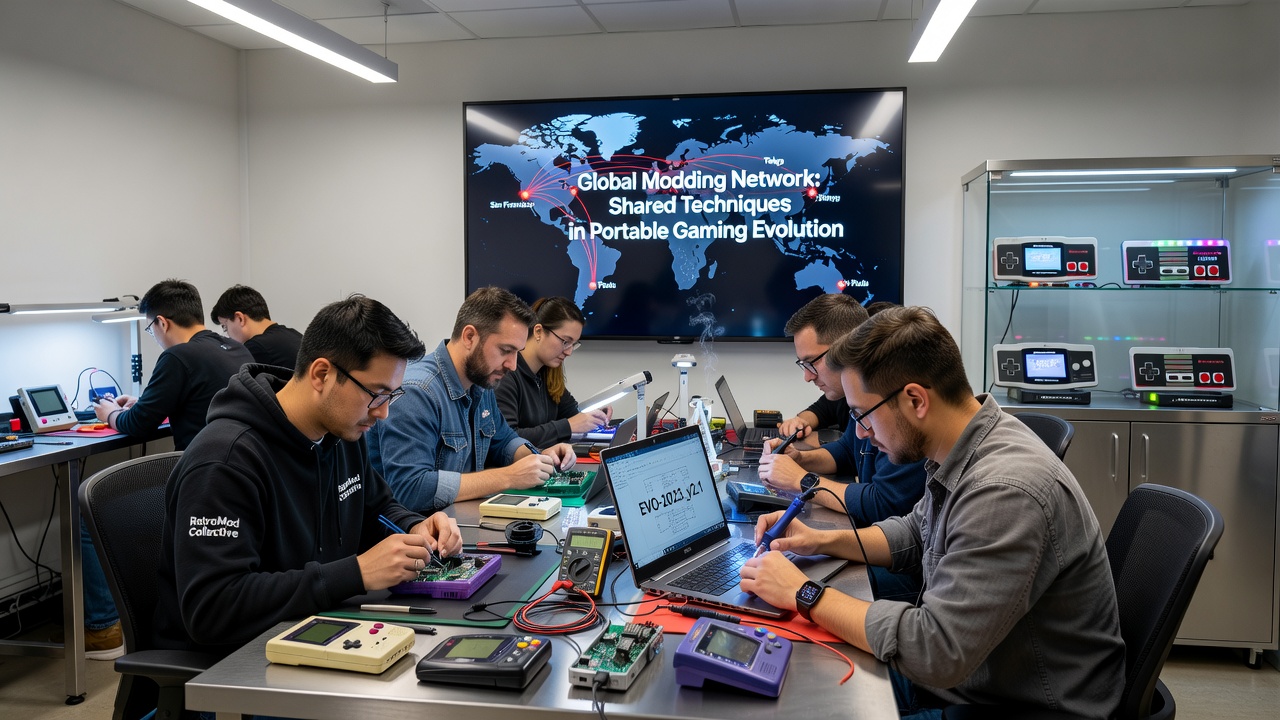
Digital Artifact Collector Groups Influence Portable Gaming Peripherals
Digital artifact collector groups operate in select international circles where enthusiasts preserve and adapt older portable gaming hardware through collaborative modification practices. These networks focus on devices such as legacy handheld consoles and early mobile peripherals, applying shared techniques that extend device functionality and inform newer product designs. Data from industry reports indicate steady growth in such communities across Asia, Europe, and North America since the early 2010s.
Origins and Expansion of Collector Networks
Collector groups emerged from preservation efforts centered on vintage cartridges and circuit boards, yet their activities expanded into active hardware modification by the mid-2010s. Participants document restoration methods for input components like analog sticks and button assemblies, then circulate those findings through private forums and regional meetups. In July 2026 several groups coordinated simultaneous events in Tokyo, Berlin, and Toronto to exchange updated schematics for portable controller interfaces.
Researchers at the University of Melbourne have tracked how these exchanges accelerate compatibility between older peripherals and contemporary portable systems. Their studies show that documented modding protocols reduce failure rates in custom input devices by measurable margins when applied consistently across multiple hardware generations.
Shared Modification Techniques and Technical Practices
Groups standardize procedures for component swaps, firmware patches, and ergonomic adjustments that participants refine through iterative testing. Techniques include precision soldering for enhanced trigger response, custom firmware overlays that enable cross-device button mapping, and 3D-printed adapter frames that improve grip stability during extended sessions. These methods spread rapidly once one circle validates results and distributes files or physical templates to affiliated networks.
Turns out the process relies on open documentation rather than proprietary secrets, allowing rapid iteration when new portable hardware reaches markets. Observers note that shared libraries of modification files often appear on secure repositories within weeks of a device launch, drawing from prior work on earlier models.
Impact on Peripheral Evolution in Select Markets
Manufacturers monitor collector-driven modifications because successful alterations frequently highlight design limitations in stock products. Several portable gaming accessory producers have incorporated reinforced port housings and modular button layouts after reviewing public modification data originating from these circles. In 2025 one European hardware firm referenced community-derived specifications when releasing an updated line of travel-sized controllers compatible with multiple handheld platforms.
Evidence from trade association records shows increased patent filings related to ergonomic peripheral features that mirror popular collector modifications. The Australian Interactive Games Association compiled statistics indicating that accessory sales in the Asia-Pacific region rose 18 percent between 2024 and 2026, coinciding with wider adoption of community-validated design elements.
International Circles and Cross-Regional Exchange
Distinct circles maintain different emphases yet participate in periodic knowledge transfers. Japanese groups often prioritize compact internal component rearrangements, European participants focus on sustainable material substitutions for casings, and North American networks emphasize firmware security patches that maintain online functionality. Joint projects surface when members travel between regions or when virtual archives allow simultaneous access to updated guides.
According to documentation maintained by the Interactive Software Federation of Europe, cross-border collaboration increased after 2023 when several circles adopted unified file formats for sharing 3D models and code snippets. This standardization reduced duplication of effort and allowed peripheral developers to reference a broader pool of tested modifications.
Current Developments Through Mid-2026
By July 2026 multiple portable gaming brands had released limited-edition accessories explicitly marketed as compatible with popular collector modifications. Regulatory filings in Canada list several new input device models that include mounting points and software hooks first popularized in international modding circles. These features appear in both consumer products and tournament-grade equipment used at regional events.
Academic papers presented at gaming technology conferences that year examined measurable improvements in user-reported comfort and device longevity after application of shared techniques. Figures from those studies reveal average extension of functional lifespan by 14 months when specific mod protocols are followed during initial setup.
Conclusion
Digital artifact collector groups continue to supply practical data and tested approaches that shape portable gaming peripheral development. Their international coordination channels allow rapid dissemination of modification techniques that hardware producers later integrate into commercial designs. Ongoing documentation efforts ensure these practices remain accessible to new participants while providing verifiable reference points for industry analysis.