Community Mods Breathing New Life Into Classic PC Strategy Games Long After Developers Move On
Alex Simmons · May 23, 2026
Community Mods Breathing New Life Into Classic PC Strategy Games Long After Developers Move On
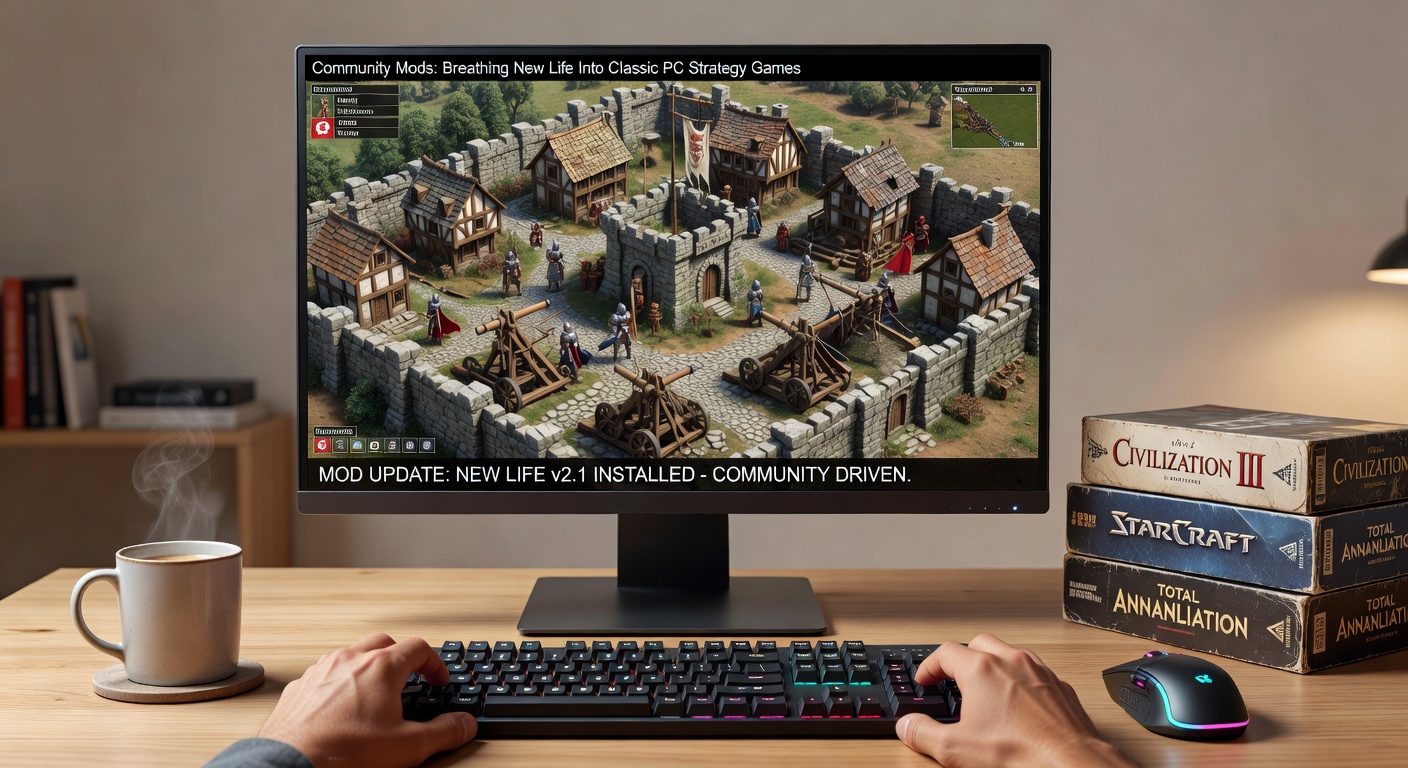
Community-driven modifications have extended the lifespan of numerous classic PC strategy games well beyond their original development cycles, with dedicated groups releasing updates and new content as recently as May 2026. These efforts often focus on titles such as the Civilization series, Age of Empires expansions, and Total War installments where official support ended years earlier. Data from mod distribution platforms indicates thousands of active projects that introduce balance changes, graphical enhancements, and entirely new campaigns without requiring involvement from the initial studios.
Origins of Sustained Modding Activity
Modding communities emerged alongside early strategy releases in the 1990s and 2000s, building on tools provided by developers who released map editors and scripting resources. Observers note that when companies shifted focus to newer projects, volunteer teams stepped in to maintain compatibility with updated operating systems and hardware configurations. Research conducted by academic groups at institutions across North America and Europe shows that such continuity relies on reverse-engineering techniques and shared documentation archives that preserve core game mechanics.
One example involves the Command & Conquer franchise, where projects like OpenRA have recreated multiplayer environments with modern networking protocols while preserving the original unit behaviors and resource systems. These adaptations allow players on contemporary machines to engage in matches that mirror events from the late 1990s, and participation metrics from associated forums reveal consistent monthly engagement numbers exceeding earlier official servers.
Technical Approaches Employed by Mod Teams
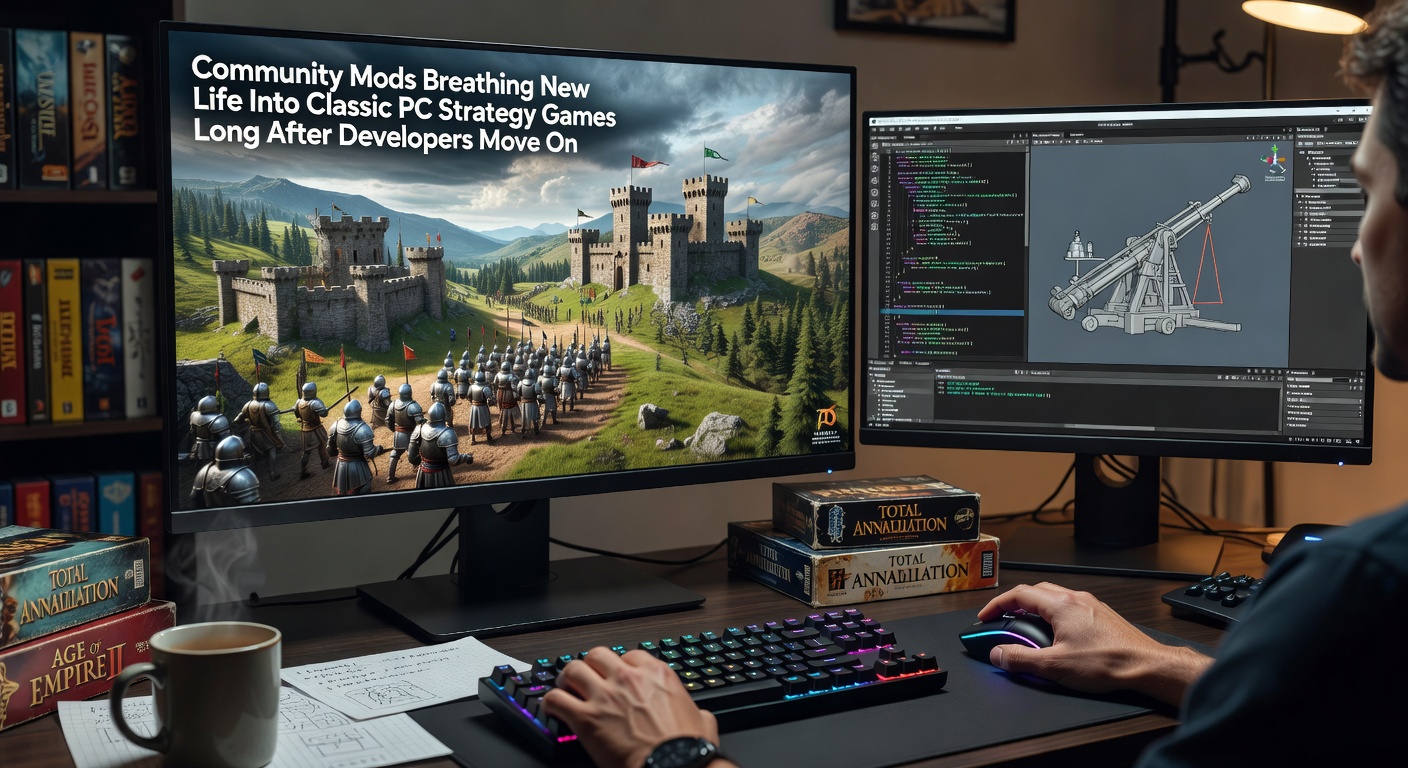
Modders combine asset replacements, code patches, and community-created engines to refresh strategy titles. In many cases, groups start with publicly available source ports or decompiled assets before layering on features such as higher-resolution textures, improved pathfinding algorithms, and expanded faction rosters. Studies published through university research channels demonstrate that these incremental updates frequently incorporate feedback loops from player testing sessions conducted across time zones.
Graphics overhauls represent one common category, where volunteers apply shaders and models compatible with current graphics APIs while retaining the isometric or top-down perspectives that defined the originals. Balance adjustments follow similar patterns, with data logs from competitive play sessions guiding tweaks to unit costs and abilities. According to figures compiled by industry trade associations in the Asia-Pacific region, such refinements have supported organized tournaments that attract participants from multiple continents.
Case Examples Across Multiple Franchises
The Civilization series illustrates sustained activity through total conversion projects that introduce new historical eras and victory conditions long after official patches ceased. Teams release periodic updates that integrate archaeological data and revised historical interpretations, and download statistics from major repositories indicate millions of cumulative installs across versions spanning two decades. Similar patterns appear in the Age of Empires community, where scenario designers produce campaigns set in underrepresented regions and time periods using the original engine frameworks.
Total War titles benefit from overhaul mods that expand battle scales and introduce diplomatic systems drawn from historical records. These modifications often require months of coordinated work among programmers, artists, and historians who verify details against primary sources. Participation records from associated Discord servers and repository sites show that contributors frequently include individuals with professional backgrounds in software development and game design.
Distribution Platforms and Community Infrastructure
Mod hosting sites serve as central hubs where files, documentation, and discussion threads remain accessible years after initial uploads. These platforms incorporate version control systems that track changes across hundreds of contributors, and analytics from the services reveal geographic diversity in both creators and end users. Government-supported digital preservation initiatives in several countries have begun cataloging prominent mod archives as part of broader efforts to document interactive media evolution.
Collaboration tools range from shared code repositories to real-time editing environments that enable simultaneous contributions from remote participants. Training resources created by experienced modders lower entry barriers for newcomers, and mentorship programs documented in community wikis demonstrate measurable increases in project completion rates over time.
Conclusion
Community modifications continue to sustain engagement with classic PC strategy games through structured technical work and shared resources that operate independently of original developers. Records from May 2026 highlight ongoing releases that address compatibility, add content layers, and support competitive scenes across established titles. These activities rely on volunteer coordination, archival practices, and distribution networks that collectively preserve and extend interactive experiences from earlier eras.