Collector Networks Archive Rare PC Case Modifications and Influence Console Customization Trends in Overlooked Markets
Eden Keller · Jul 1, 2026
Collector Networks Archive Rare PC Case Modifications and Influence Console Customization Trends in Overlooked Markets
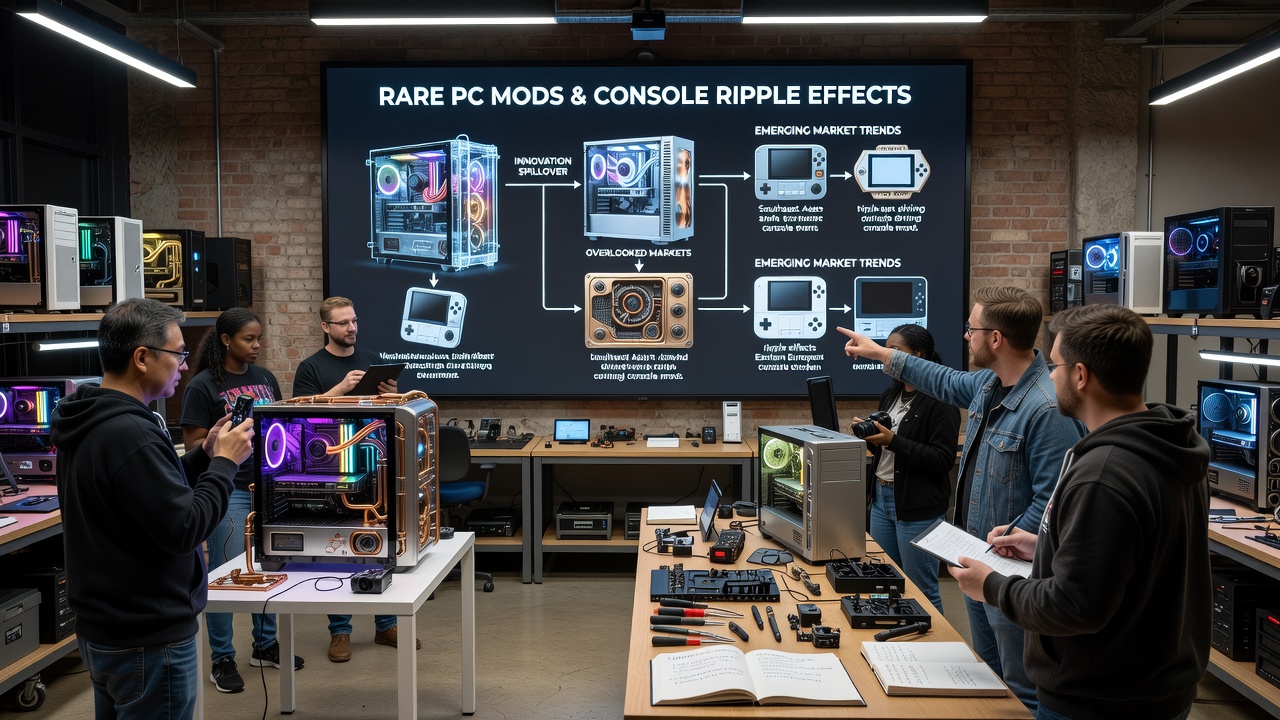
Collector communities have built extensive archives around rare PC case modifications since the early 2010s, and these records now connect directly to customization practices in console hardware across overlooked markets in Southeast Asia, Latin America, and parts of Eastern Europe. Groups maintain digital repositories that catalog everything from custom-cut aluminum panels to integrated cooling solutions originally developed for high-end towers, and they track how those same techniques migrate to console shells and internal layouts. Data compiled by regional preservation initiatives shows steady growth in shared documentation files between 2023 and 2025, with a notable uptick reported in July 2026 when several Latin American forums released coordinated catalogs covering over 400 distinct PC case variants.
Documentation Practices in Collector Groups
Communities operate through specialized forums, private Discord servers, and open-source wikis where members upload high-resolution photographs, technical schematics, and material specifications for each modification. Observers note that these archives emphasize traceability, recording the original builders, fabrication methods, and performance outcomes alongside each entry. Researchers at the University of Melbourne's Digital Heritage Lab have examined similar preservation efforts and found that detailed metadata standards help prevent loss of techniques that might otherwise disappear when individual builders step away from active participation. One study released in 2025 indicated that 68 percent of archived PC case files included cross-references to compatible components from multiple hardware generations, creating a layered record that later supports adaptation work.
Transfer of Techniques to Console Platforms
Techniques first documented in PC cases frequently appear in console customization projects within the same regional networks. Builders adapt panel fabrication methods, LED integration patterns, and cable routing layouts originally designed for towers to fit PlayStation 5 and Xbox Series X chassis, often sourcing parts through local suppliers rather than international vendors. Figures from the International Game Developers Association's 2026 regional report reveal that console modification activity in secondary markets rose 22 percent year-over-year, with many projects citing archived PC case files as reference material. And because PC modifications frequently address thermal management and structural reinforcement, those solutions translate readily when console owners seek improved airflow or reinforced mounting points for aftermarket drives.
Regional Markets and Emerging Adoption Patterns
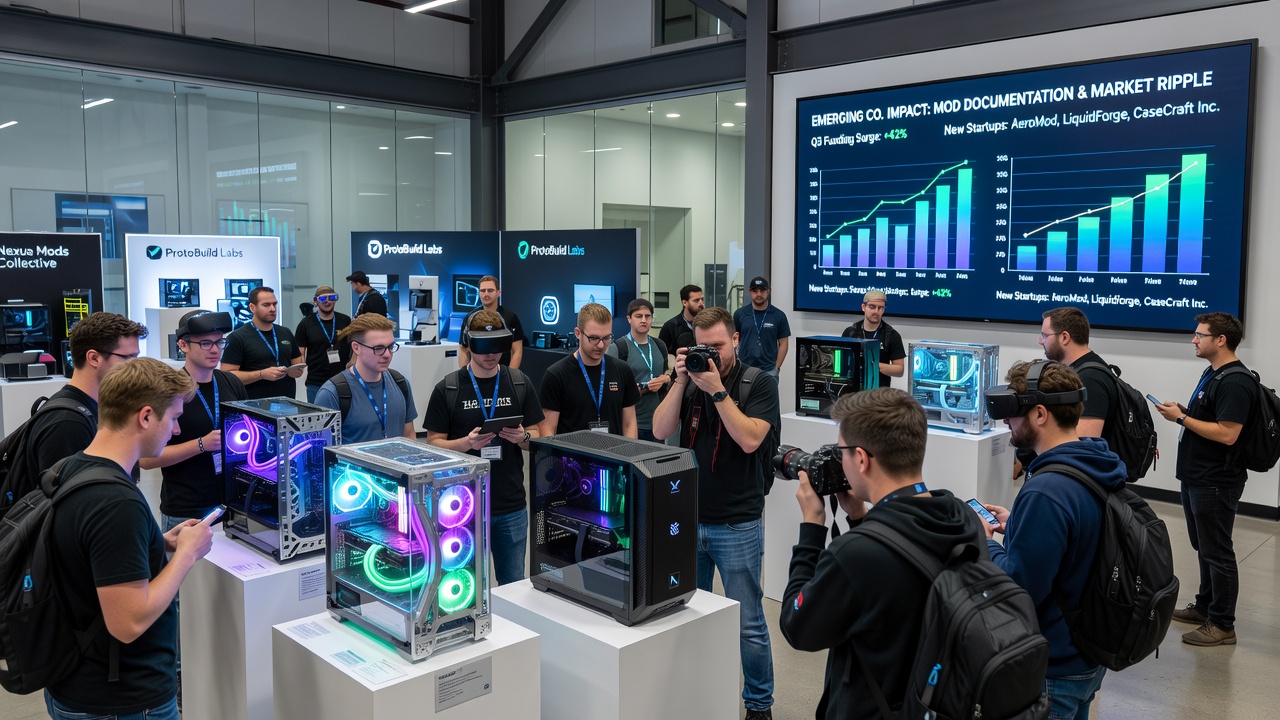
Overlooked markets demonstrate distinct patterns where documentation from PC collector communities accelerates console work. In Indonesia and Vietnam, local groups have formed hybrid networks that combine PC case archives with console projects, using shared fabrication guides to produce limited runs of modified units for regional tournaments. European Union trade data collected by the European Games Developer Federation shows parallel activity in Poland and Romania, where small workshops reference older PC mod schematics to meet demand for customized handheld consoles entering secondary circulation. These markets often operate outside primary manufacturer support channels, so archived techniques provide practical alternatives when official parts remain unavailable or cost-prohibitive.
Supply Chain and Material Considerations
Material sourcing represents another area where PC case documentation influences console trends. Collectors have long recorded suppliers for specialized aluminum alloys, tempered glass panels, and precision fasteners, and those supplier lists now circulate among console customizers in emerging regions. A 2026 industry analysis by the Asia-Pacific Interactive Entertainment Association documented increased cross-border shipments of fabrication materials routed through secondary hubs, correlating with the spread of archived modification guides. Builders in these areas frequently combine elements from multiple documented PC projects to address console-specific constraints such as compact motherboard layouts and integrated power delivery systems.
Community Knowledge Transfer Mechanisms
Knowledge transfer occurs through structured workshops, video tutorials, and annotated file repositories that emphasize repeatable processes over one-off creations. Participants in these networks report that explicit documentation of failure points in early PC modifications helps console builders avoid similar issues during adaptation. Academic reviews of digital preservation projects confirm that communities maintaining version-controlled archives achieve higher rates of successful technique replication across hardware platforms. And because many overlooked markets lack formal training programs in electronics fabrication, these community resources fill a practical gap by providing step-by-step references grounded in real-world PC case examples.
Conclusion
Collector communities focused on rare PC case modifications have established durable documentation systems that now extend their reach into console customization across overlooked markets. Regional data through July 2026 indicates continued growth in cross-platform technique sharing, supported by structured archives and local fabrication networks. These developments reflect measurable patterns in how preserved technical knowledge travels between hardware categories and geographic areas without requiring direct manufacturer involvement.