Audio Layering Techniques in Short-Form Mobile Experiences and Their Ripple Effects on Earbud Preferences During Informal Gatherings
Mia Lehmann · Jul 13, 2026
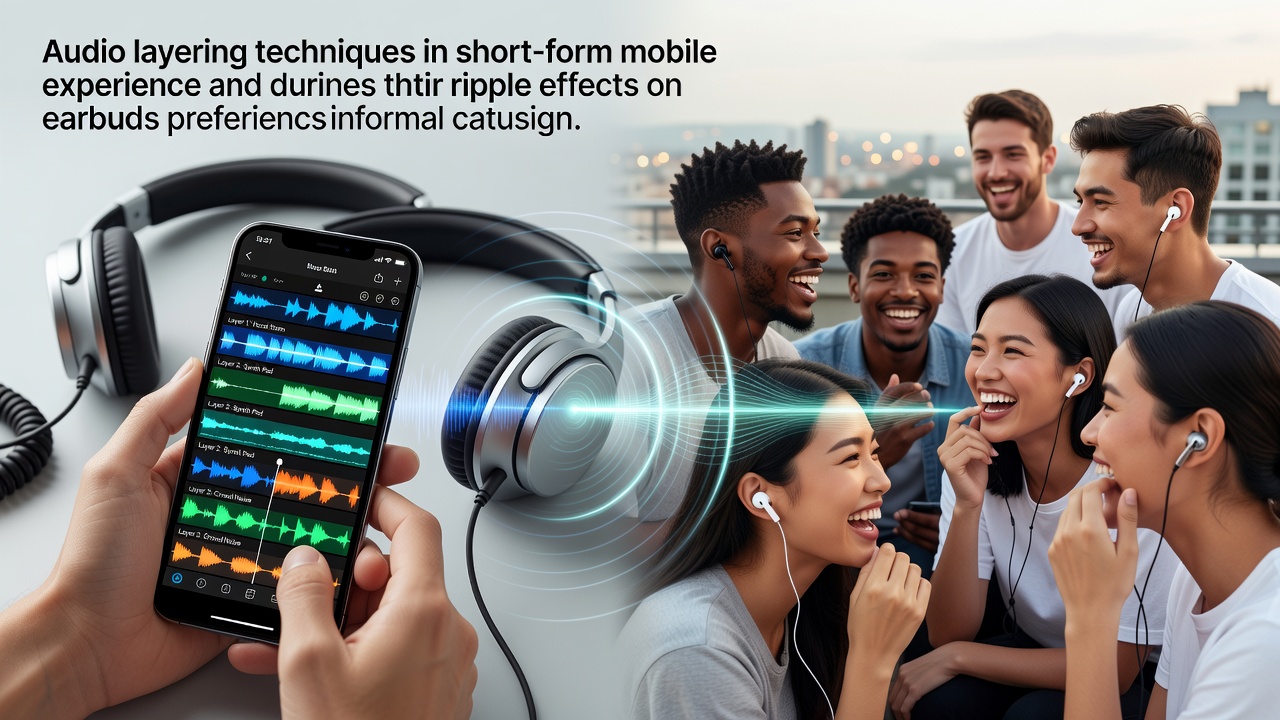
Audio Layering Techniques in Short-Form Mobile Experiences and Their Ripple Effects on Earbud Preferences During Informal Gatherings
Short-form mobile content creators build experiences through audio layering that stacks voiceovers, background music, and sound effects into tight sequences under sixty seconds, and this approach has prompted measurable shifts in how listeners select earbuds for group settings. Observers note that platforms such as TikTok and Instagram Reels rely on tools that allow precise control over volume automation, EQ curves, and spatial positioning so each element remains distinct even when played through small mobile speakers or personal audio devices.
Core Layering Methods Used in Mobile Production
Production teams separate dialogue tracks from music stems and insert transient effects at specific timestamps, then apply sidechain compression so the voice cuts through without manual ducking on every clip. Data from mobile analytics platforms shows that videos employing three or more distinct audio layers achieve higher completion rates than single-track uploads, and this pattern holds across regions tracked by consumer electronics surveys. Engineers at device manufacturers have responded by embedding support for codecs that preserve separation between frequency bands, allowing earbuds to render each layer without muddling.
Users at informal gatherings often pass phones or earbuds to share clips, and those exchanges highlight differences in how well hardware reproduces layered audio. Research conducted at the University of Melbourne indicates that listeners exposed to multi-track short-form content demonstrate stronger preferences for earbuds featuring independent driver configurations and adaptive EQ profiles calibrated through companion apps.
Market Data on Earbud Selection Patterns
Retail figures compiled through mid-2026 reveal a steady rise in shipments of models equipped with LDAC and aptX Adaptive codecs, coinciding with increased consumption of layered mobile video. In July 2026 the Consumer Technology Association released updated quarterly numbers showing that units priced above the mid-tier segment captured an additional seven percent of total sales compared with the prior year, and analysts attribute part of the movement to demand for clearer reproduction of stacked audio elements.
During casual meetups in cafes or living rooms, participants frequently compare earbud performance by playing the same clip on different devices, and those demonstrations favor products that maintain instrumental clarity alongside vocal presence. Industry organizations such as the Audio Engineering Society have documented similar listening tests where participants rated separation and dynamic range as primary factors when ranking portable audio gear for social use.
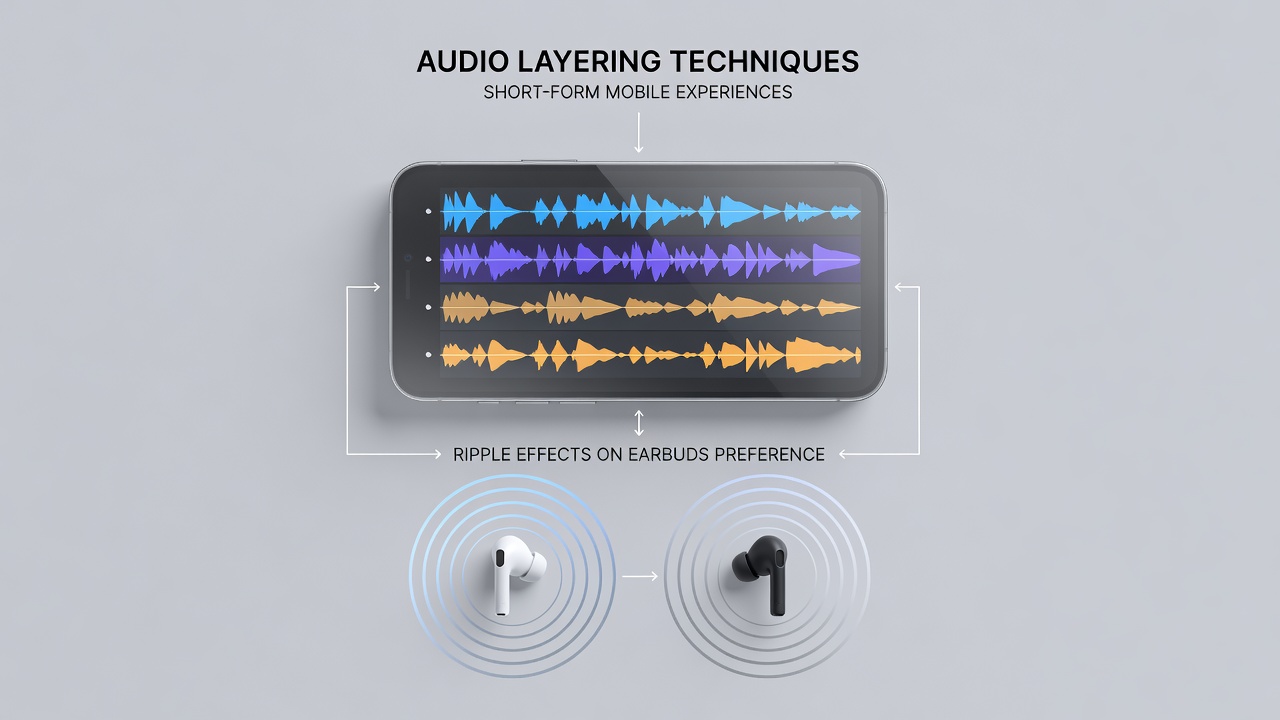
Behavioral Shifts Observed in Social Contexts
Group listening sessions introduce variables such as ambient noise and shared device handoffs that single-user scenarios do not present, yet creators continue to pack additional layers into each upload. Surveys distributed by regional electronics associations across the EU and Australia record that participants who regularly consume short-form content adjust their earbud purchases toward models with stronger passive isolation and active noise cancellation tuned for midrange detail. These preferences surface most clearly when multiple people queue clips in sequence and notice how certain buds preserve punch in the low end without masking higher-frequency effects.
Hardware developers have incorporated features like personalized hearing profiles derived from mobile microphone tests, and adoption data suggests these tools see higher engagement among users who participate in shared viewing events. When earbuds support simultaneous multi-point connections, one device can stream to two pairs at once, allowing friends to hear the same layered mix without volume compromises that occur on built-in speakers.
Technical Factors Driving Preference Changes
Latency reductions achieved through newer Bluetooth revisions enable tighter synchronization between visual cuts and layered audio events, and this timing accuracy matters during group playback where viewers notice any drift. Studies released by Canadian research institutions tracking consumer electronics usage show correlations between codec support and repeat purchases among individuals who attend regular informal gatherings centered on mobile content. Earbuds that handle simultaneous stem playback without compression artifacts therefore gain visibility in peer recommendations that circulate through social circles.
Manufacturers publish firmware updates that refine spatial rendering algorithms, and these updates align with the growing complexity of audio tracks in short-form formats. Observers tracking accessory markets note that accessory bundles including carrying cases with built-in DACs have appeared alongside flagship earbud releases, reflecting demand for on-the-go calibration when content moves between different listening environments.
Conclusion
Audio layering techniques continue to evolve alongside mobile platform capabilities, and the resulting demands on frequency separation and dynamic control have produced measurable effects on which earbud models appear most often in informal group settings. Reports from multiple geographic markets indicate sustained interest in devices that maintain distinct audio stems under variable noise conditions, while usage patterns at gatherings provide repeated opportunities for direct comparison. These trends rest on documented production practices and sales data rather than isolated anecdotes, establishing a clear link between content creation methods and portable audio hardware selection.