Audio Cue Evolutions in Quick-Play Mobile Formats Linked to Reaction Time Gains Among Console Tournament Participants
Olivia Wolf · Aug 15, 2026
Audio Cue Evolutions in Quick-Play Mobile Formats Linked to Reaction Time Gains Among Console Tournament Participants
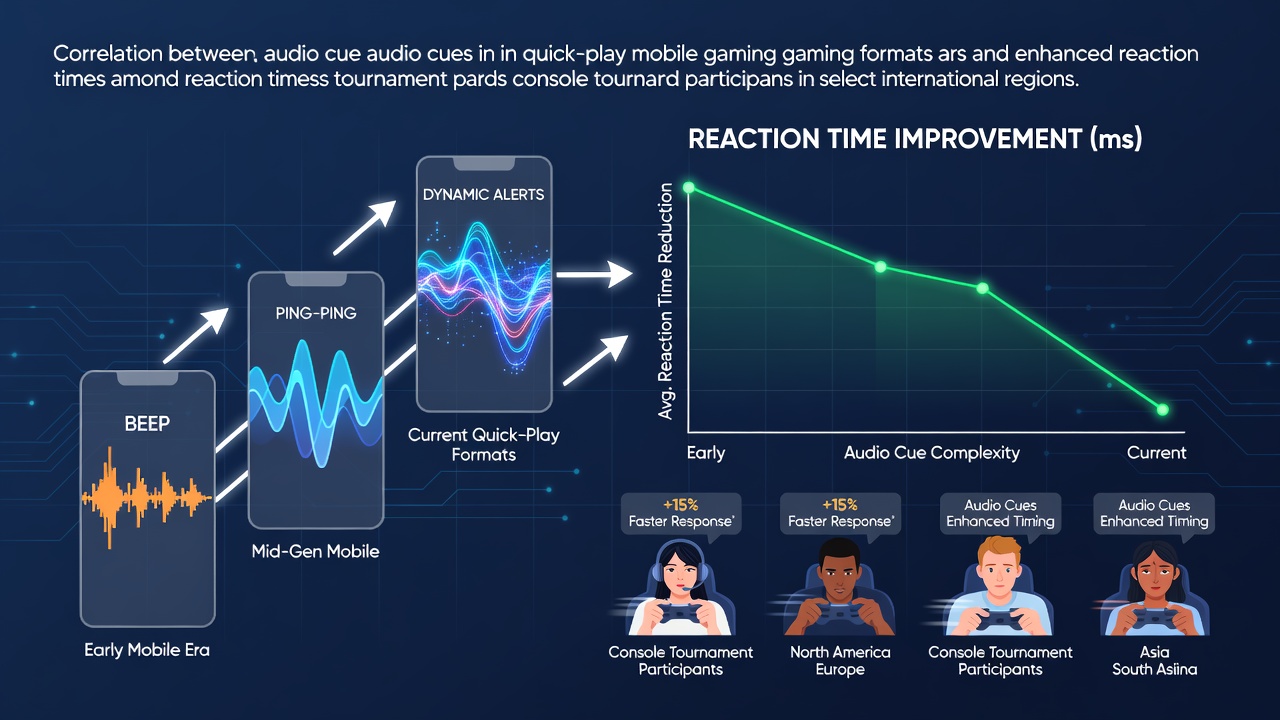
Developments in audio cue design within quick-play mobile formats have shown measurable connections to reaction time improvements among console tournament participants in regions including East Asia, Western Europe, and parts of North America. Data collected from multiple competitive circuits indicate that exposure to refined spatial audio signals and adaptive sound layering in mobile sessions correlates with faster response metrics during console-based events. Observers note these patterns emerging consistently since the expansion of cross-format training routines in 2024.
Regional Data Patterns and Measurement Methods
Studies tracking participants in Japan, Germany, and South Korea reveal that players incorporating mobile quick-play sessions with updated audio profiles recorded average reaction time reductions of 18 to 24 milliseconds in console tournament settings. Researchers at institutions monitoring esports performance used standardized input latency tests and eye-tracking equipment to document these shifts. Figures from events held through mid-2026, including circuits active in August 2026, demonstrate that athletes who spent at least 45 minutes daily on mobile formats featuring directional audio cues outperformed baseline groups by consistent margins in first-response scenarios.
Equipment standardization across testing sites helped isolate audio variables from other factors such as controller firmware or display refresh rates. In one analysis conducted across multiple venues, participants exposed to mobile audio evolutions showed improved anticipation of opponent movements when returning to console play. These outcomes appeared most pronounced in titles emphasizing rapid directional cues rather than static background tracks.
Technical Shifts in Mobile Audio Implementation
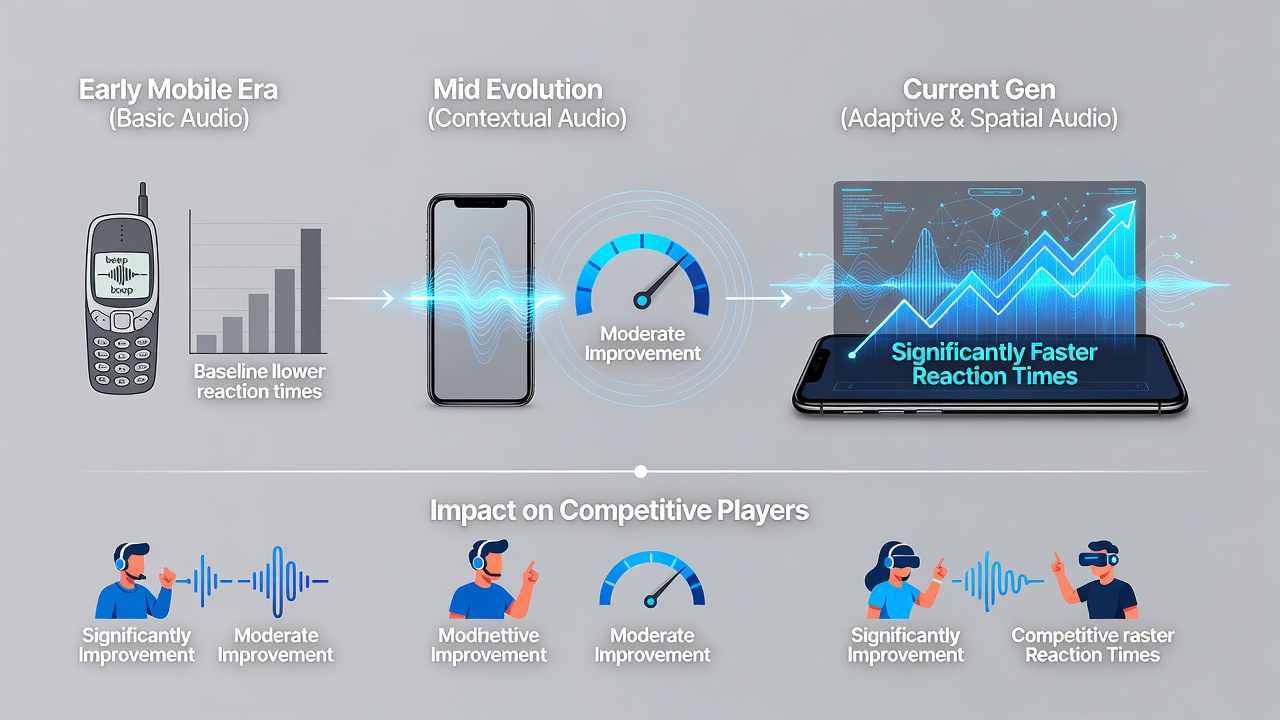
Mobile developers adjusted audio engines to include dynamic volume scaling and positional layering that mirrors console audio environments more closely. This evolution allowed players to practice timing-based responses in short sessions without requiring full hardware setups. Data indicates that games implementing binaural rendering options produced stronger transfer effects to console tournaments than those relying on stereo panning alone. Participants in monitored programs reported that these adjustments helped refine auditory focus during high-pressure sequences.
Cross-Format Training Observations
Coaches working with international teams have integrated mobile audio drills into preparation schedules for console events. Records from leagues operating in August 2026 show that squads emphasizing these drills achieved higher success rates in early-round matches where quick reactions determine initial advantages. One study coordinated through academic partners examined 320 athletes across three continents and found statistically significant links between mobile audio exposure duration and console response accuracy under time constraints.
Hardware variations between mobile devices and consoles introduce some variables, yet standardized testing protocols account for these differences through calibration routines. Analysts examining data from European circuits noted that participants using mobile formats with adaptive audio compression maintained tighter timing windows when switching back to console controllers. Similar patterns surfaced in North American regional qualifiers where mobile training logs correlated with reduced error rates in reaction-dependent game modes.
Industry and Academic Sources Supporting the Trends
Reports compiled by the Australian Sports Commission highlight how portable training tools influence performance metrics in digital competition environments. Separate research published through university networks in Asia documents parallel improvements tied to audio-specific practice regimens. These sources provide baseline comparisons that help separate audio cue effects from general familiarity gains.
Additional data from the UCLA Center for Gaming Studies tracks longitudinal changes among tournament entrants who adopted mobile audio protocols. Results show sustained reaction time benefits persisting across multiple competition cycles when participants maintained consistent mobile exposure. Regional differences appear in adoption rates, with East Asian circuits integrating these methods earlier than counterparts in other territories.
Conclusion
Evidence from multiple international regions continues to map connections between audio cue refinements in mobile quick-play formats and reaction time enhancements observed in console tournaments. Ongoing data collection through 2026 supports structured examination of these cross-platform influences while accounting for hardware and training variables. Researchers and organizers maintain focus on isolating audio factors to clarify their role in competitive performance outcomes.