Archival Groups Cataloging Rare Input Device Variants and Their Role in Updating Compatibility Layers for Digital Distribution Platforms
Olivia Wolf · Jul 22, 2026
Archival Groups Cataloging Rare Input Device Variants and Their Role in Updating Compatibility Layers for Digital Distribution Platforms
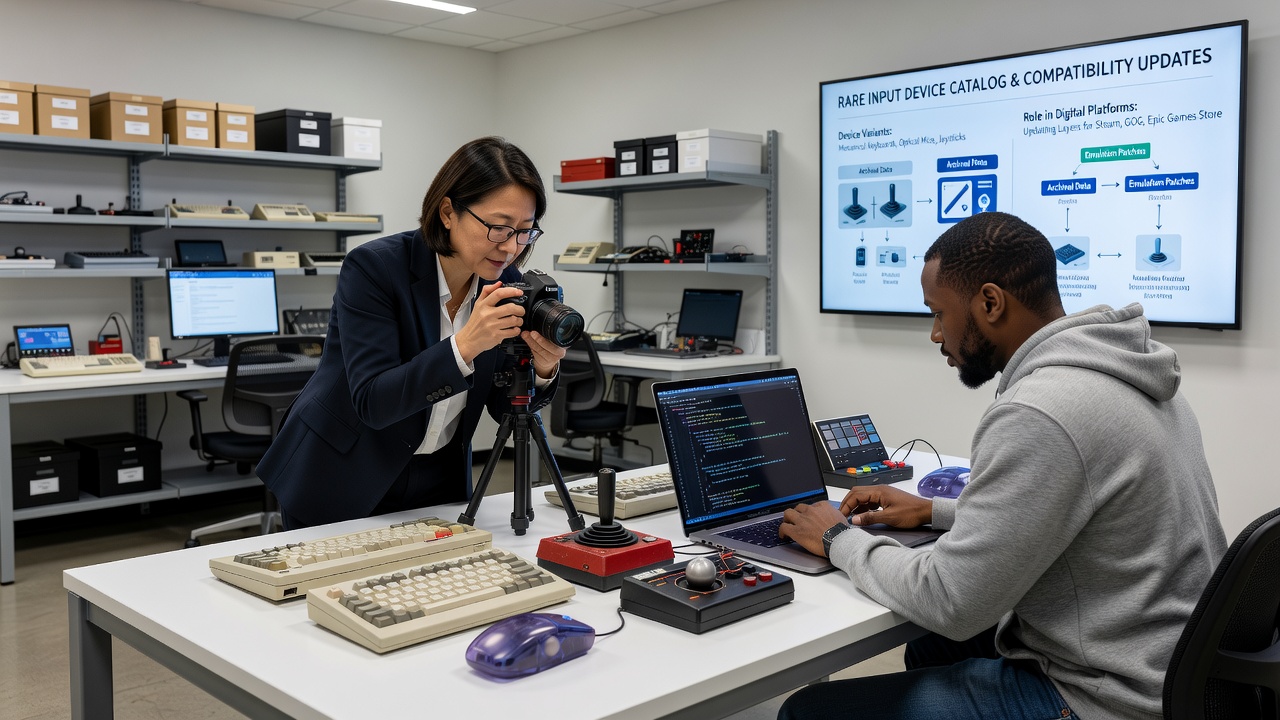
Archival organizations maintain detailed records of uncommon input hardware from earlier computing eras, and these efforts directly support engineers who refine compatibility layers used by major digital distribution services. Groups focused on hardware preservation collect physical examples alongside technical specifications for devices such as proprietary trackballs, early force-feedback joysticks, and region-specific keyboard layouts that appeared between the 1980s and early 2000s.
Documentation Practices and Database Development
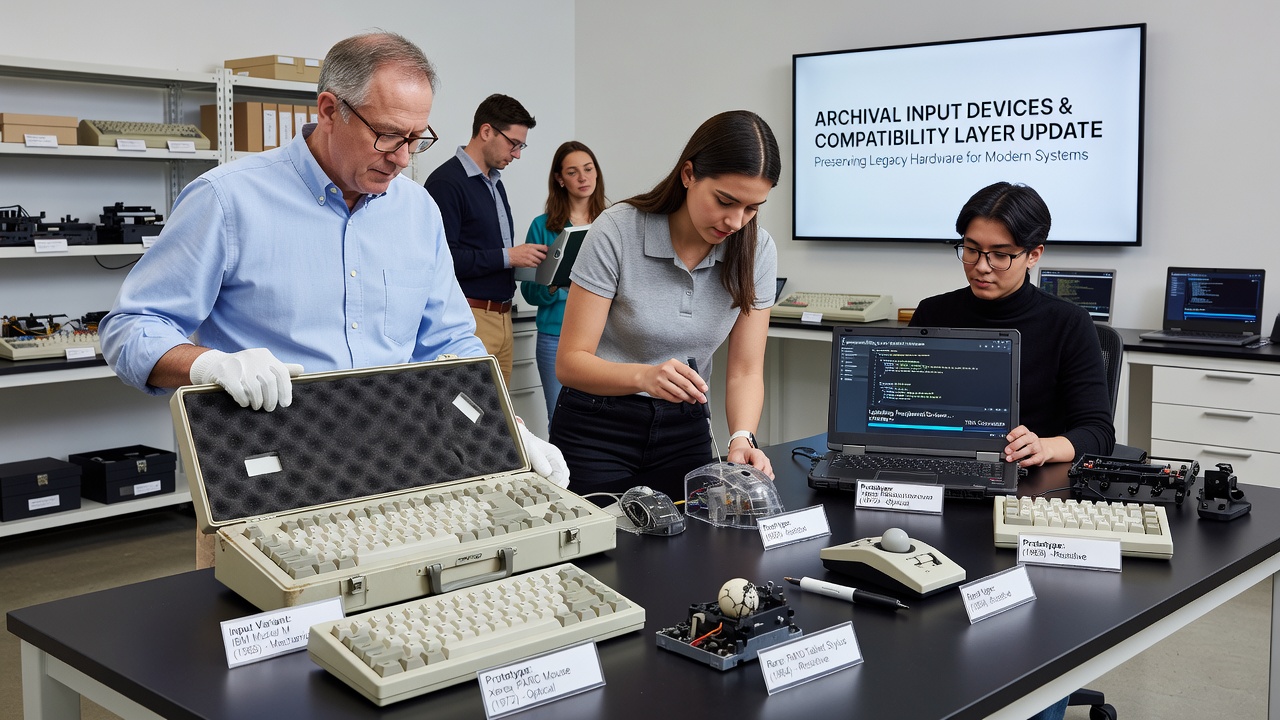
Teams at institutions in North America and Europe photograph each device, measure connector pinouts, and record firmware behaviors before storing the information in shared repositories. Researchers cross-reference original patents with user manuals obtained from private collections, which allows them to create accurate emulation profiles that later feed into open-source projects. Data from these catalogs reaches developers working on layers such as Proton and other translation tools integrated into platforms including Steam and GOG, where the information helps resolve input mapping conflicts that arise when older titles run on contemporary operating systems.
Technical Contributions to Compatibility Updates
Engineers consult archival entries when patches address axis inversion problems or unrecognized button codes that surface after operating system updates. In July 2026 several preservation networks released revised device descriptors that corrected polling rate mismatches for a set of 1990s-era flight sticks, and those descriptors were incorporated into compatibility tool updates within weeks. The process relies on standardized reporting formats that let maintainers verify input reports against expected values without requiring physical access to every rare peripheral.
Regional Networks and Data Sharing
Organizations across Australia and Canada coordinate through periodic data exchanges that prevent duplication of effort while expanding coverage of devices distributed only in specific markets. A joint project initiated in 2024 between preservation labs in Melbourne and Toronto produced a unified schema for logging USB descriptor variations, and that schema has since been adopted by several European archives. The resulting datasets appear in public repositories that platform maintainers reference during quarterly compatibility reviews.
Case Examples from Hardware Archives
One collection in Germany holds multiple variants of a Japanese arcade-style paddle controller released in limited numbers during 1997, and the archived pinout diagrams helped resolve a mapping error that affected several re-released puzzle games on digital storefronts. Similar work in the United States documented a Canadian-manufactured ergonomic mouse whose proprietary scroll wheel protocol had never been publicly decoded until the archive released its findings. These individual records accumulate into larger libraries that distribution services query when preparing title updates for broader audiences.
Integration with Industry Standards Bodies
Archival data also informs contributions to specifications maintained by groups such as the International Game Developers Association, where input compatibility guidelines draw on historical device behavior to shape recommendations for future hardware. Separate reports from academic teams at institutions in Japan have examined how legacy serial protocols interact with modern USB translation layers, providing quantitative measurements that platform engineers incorporate into testing suites.
Future Outlook for Preservation and Platform Support
Continued cataloging ensures that compatibility layers can accommodate an expanding range of legacy titles as digital libraries grow. Archives continue to digitize schematics and firmware images, making the information available for automated testing frameworks used by distribution services. Observers note that these preservation activities have become a standard reference point during platform update cycles, particularly when new operating system releases alter low-level input handling routines.
Conclusion
Archival groups supply the raw technical details required to keep compatibility layers functional across generations of input hardware. Their systematic documentation feeds directly into the update processes of digital distribution platforms, allowing older titles to remain playable without requiring users to locate original peripherals. The ongoing exchange of verified device data between regional networks and industry partners sustains this infrastructure while expanding the set of supported variants each year.